
Volume 14 Issue 2 *Corresponding author michelleblandy.smsrj@gmail.com Submitted 25 May 2026 Accepted 13 Jul 2026 Published 27 Jul 2026 Citation BLANDY, M. S.; SILVA, C. G. T. Urban mobility in the City of Rio de Janeiro: challenges and proposals to promote safety and the reclamation of urban space by pedestrians and cyclists. Coleção Estudos Cariocas, v. 14, n. 2, 2026.
DOI: 10.71256/19847203.14.2.238.2026 The article was originally submitted in PORTUGUESE. Translations into other languages were reviewed and validated by the authors and the editorial team. Nevertheless, for the most accurate representation of the subject matter, readers are encouraged to consult the article in its original language.

| Urban mobility in the City of Rio de Janeiro: challenges and proposals to promote safety and the reclamation of urban space by pedestrians and cyclists Mobilidade urbana na Cidade do Rio de Janeiro: desafios e propostas para promover segurança e retomada do espaço urbano por pedestres e ciclistas Movilidad urbana en la ciudad de Río de Janeiro: desafíos y propuestas para promover la seguridad y la recuperación del espacio urbano por parte de peatones y ciclistas Michelle Silva Blandy1, Cláudia Gonçalves Thaumaturgo da Silva2 1Prefeitura da Cidade do Rio de Janeiro/Secretaria Municipal de Saúde, Rua Afonso Cavalcanti, 455 - Cidade Nova, Rio de Janeiro/RJ, ORCID 0009-0004-0551-5414, michelleblandy.smsrj@gmail.com 2Departamento de Saneamento e Saúde Ambiental, da Escola Nacional de Saúde Pública Sérgio Arouca/Fundação Oswaldo Cruz - DSSA/ ENSP/ Fiocruz, Rua Leopoldo Bulhões, 1.480, Manguinhos, Rio de Janeiro/RJ, ORCID 0000-0003-4466-5074, claudiathaumaturgo@gmail.com
AbstractThis article aims to highlight the urgent need to discuss issues regarding urban mobility. It also presents ideas that can contribute to fostering more harmonious interactions among the various modes of travel within large metropolitan areas. The proposals include educational initiatives, the designation of public street sections for leisure activities, and the dissemination of safety-promoting alerts and information via electronic devices. The central focus of this piece is the promotion of health among Rio de Janeiro’s residents—in line with international agreements, national guidelines, and the city’s own urban planning goals. Through these proposals, the aim is to achieve a safer, more harmonious, inclusive, and democratic traffic environment in the "Marvelous City” Keywords: mobility, health, security, traffic.
ResumoEste artigo tem como objetivo despertar para a urgência em debater questões relativas à mobilidade urbana. Também apresenta ideias que podem contribuir para a pacificação das diversas interações nos níveis de locomoção dentro de grandes metrópoles. As propostas envolvem ações educativas, reservas de trechos em vias públicas para lazer e a disseminação de alertas e informações por dispositivos eletrônicos, que estimulem a segurança no trânsito. A questão central desta redação é a promoção da saúde dos cariocas, como preconizado por acordos internacionais e diretrizes nacionais, assim como prevê as metas de Planejamento Urbano da Cidade do Rio de Janeiro. Com estas proposições, espera-se alcançar um modelo de trânsito mais seguro, harmonioso, inclusivo e democrático na Cidade Maravilhosa. Palavras-chave: mobilidade, saúde, segurança, trânsito.
ResumenEste artículo busca resaltar la urgente necesidad de debatir cuestiones relativas a la movilidad urbana. Asimismo, presenta ideas que pueden contribuir a fomentar interacciones más armoniosas entre los diversos modos de desplazamiento en las grandes áreas metropolitanas. Las propuestas incluyen iniciativas educativas, la designación de tramos de vía pública para actividades recreativas y la difusión de alertas e información orientadas a la seguridad a través de dispositivos electrónicos. El eje central de este trabajo es la promoción de la salud de los habitantes de Río de Janeiro, en consonancia con acuerdos internacionales, directrices nacionales y los propios objetivos de planificación urbana de la ciudad. Mediante estas propuestas, se aspira a lograr un entorno vial más seguro, armonioso, inclusivo y democrático en la "Ciudad Maravillosa". Palabras clave: movilidad, salud, seguridad, tránsito. |
1 Introduction
The challenges of large urban centers and/or metropolises from the global north to south are many. Each with its own peculiarities. In the city of Rio de Janeiro, former Brazilian capital, one of the most sought-after tourist destinations in Brazil, due to its natural endowments and charms, also due to the joy and hospitality of the carioca[1], it would be no different. But its qualities do not absolve it from the burden embedded in any other large municipality. With a population estimated by the 2022 Census at 6,211,223 inhabitants, unevenly distributed and on an unfavorable topography, the challenges are already set.
In the dynamics of people's lives and the multiplicity of interrelations, whether in personal activities, production and work, leisure and entertainment, care and health, and the like. In a democratic system, such as the one we have in Brazil, it is up to the public authorities to be the conductor of policies in favor of the entire population, with the city hall being the governmental representative for cities, which must coordinate actions in infrastructure, education, health, environment, social rights, and economy. Some of the attributions of the municipal Public Power are to monitor, carry out a diagnosis, and identify the existing problems in its neighborhoods within the aforementioned axes, and thus propose, plan, and execute solutions for these issues. We can consider, as allies in the inspection and proposal of solutions, the councilors elected by the population, social control through associations, as well as collectives and all citizens, in addition to the media. These participations are guaranteed by legal provisions, such as the "City Statute", Law 10,257/2001, which, among other important points, establishes that every ten years, cities with over twenty thousand inhabitants must review and publish their Master Plan, which instrumentalizes the basis of Municipal Public Management.
A robust organizational State structure is necessary to manage such adversity. The Rio City Hall delimits the municipality into five Planning Areas, and the Municipal Health Department (SMS) into ten Programmatic Health Areas. In just one group of neighborhoods, we have a number of residents equivalent to a medium-sized city for each of these divisions. Below is a map with the distribution of the General Coordinatorships of Primary Care (CAP) to illustrate the distribution of the health districts of SMS-Rio:
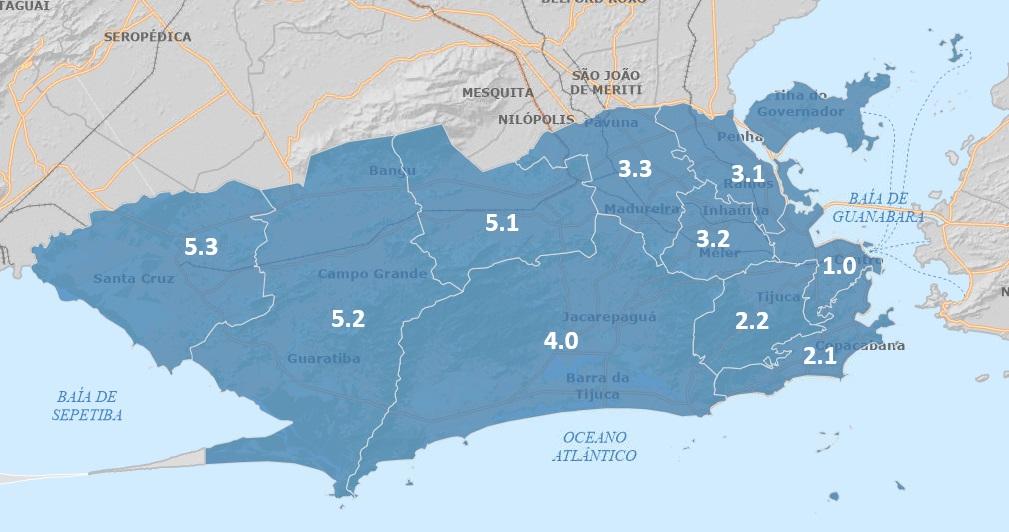
Figure 1: Map of the Programmatic Health Areas
1.0: Centro. 2.1: Botafogo. 2.2: Tijuca. 3.1: Penha. 3.2: Méier. 3.3: Madureira. 4.0: Barra da Tijuca. 5.1: Jardim Sulacap. 5.2: Campo Grande. 5.3: Santa Cruz.
Source: DATARIO - Rio de Janeiro City Hall - Map of Programmatic Health Areas. Extraction 03/17/2025
The SMS has some Health Surveillance devices for monitoring diseases and conditions. Epidemiological Surveillance is the sector responsible for monitoring, identifying, and consolidating notifications by the municipal health care network. Among the notable events in a situation of attention are the run-overs of pedestrians and cyclists and, upon investigating the data from the Land Transport Accidents Panel of the Rio de Janeiro City Hall (EPI-RIO - Epidemiological Observatory of the City of Rio de Janeiro, 2026), it is possible to observe a growth in this type of incident in recent years in the city of Rio de Janeiro. Accidents involving cyclists alone showed a 29% increase between 2024 and 2025. This increase was driven by the growth in the use of electric bicycles and other micromobility vehicles in the last 3 years (EPI-RIO, 2026).
News reports from various media outlets confirm the alarm and show worrying numbers regarding the violent relationship between terrestrial motor vehicles and pedestrians and cyclists, not only in the capital of Rio de Janeiro, but in other regions of Brazil and in other countries. Accidents are reported almost daily in the media and demonstrate an increase in deaths and bodily injuries in traffic relations, including run-overs.
To find solutions to this major social issue, it will be necessary to mobilize a task force for an accurate diagnosis and thus find possible resources to face the challenges in cities. It is necessary to count on social participation, which can involve actors such as academia, technicians and specialists, as well as public and private managers, with the objective of aggregating knowledge, in order to mitigate the effects of past misguided choices. This work will present a pilot project with a set of actions, with a central focus on the reappropriation of spaces and roads by pedestrians and on education for safe traffic. It will be aimed at the entire population, drivers or not, across different age groups. The set of actions must be carried out gradually, prioritizing the regions with the highest occurrence of these accidents. The planning of these actions will have a low budget cost, as it will mainly rely on the physical structure and technical and intellectual capital existing in PCRJ, for example: Traffic Engineering Company, Municipal Health Department, Municipal Transport Department, Municipal Education Department, Subprefectures, Municipal Culture Department, Municipal Environment and Climate Department.
In 2021, the World Health Organization reported that more than 3,500 people die daily on public roads, with 50 million people injured annually worldwide. Problems such as the one previously identified arise from the contemporary and mistaken thinking in the construction projects of urban centers, as observed by LONDOÑO (2023), who noted that from the 20th century onwards, humanity changed its trajectory, bringing innovations such as motorized automobiles and thus sacrificing public spaces for collective use in attention, which the author calls the dehumanization of the city. The author also highlights that in the year 1900 there were no automobile deaths in the United States, but from 1907 onwards, more than 500 people were killed by run-overs. Increasingly, the plan was to build roads for cars, to the detriment of spaces for walkers, and from that moment on, our lives and daily routines were transformed by the introduction of vehicles in cities. With this new risk of accidents underway in inconceivable numbers, within a few decades we awakened to the need to rescue millennia-old practices of peaceful coexistence, crossed by the needs of modern times. As the years went by, the equation, automobiles + people + speed became a complex problem, a risk to life and integrity to people's health.
2 Dynamics of Incident Occurrence in the city of Rio de Janeiro
As in other cities on the planet, the municipality of Rio de Janeiro presents an upward curve in the number of incidents resulting from traffic accidents. The table below demonstrates a historical series on the dynamics of these events in the capital of Rio de Janeiro:
Table 1: Epidemiological Data - Municipality of Rio de Janeiro - MRJ
Occurrence | 2019 | 2020 | 2021 | 2022 | 2023 | 2024 | 2025 |
Culpable Bodily Injury (Traffic) | 11.916 | 7.274 | 7.872 | 8.915 | 11.015 | 12.900 | 13.097 |
Run-overs | 1.564 | 955 | 1.015 | 1.168 | 1.329 | 1.328 | 1.235 |
Culpable Homicide (Traffic) | 603 | 596 | 585 | 611 | 614 | 723 | 802 |
Source: ISP Conecta - Public Security Institute - RJ State Government - Traffic. 06/04/2026
It is observed in the table above a historical series with consolidated data between the years 2019 and 2025, with traffic incidents that occurred between January and December of each year, where in the last three years we have an exponential increase in these incidents. The year 2025 has the highest number of recorded events in the entire retrospective presented, where Culpable Bodily Injury presented 13,097 cases, there were 1,235 Run-overs and the most worrying data, that of Culpable Homicide, which recorded 802 deaths.
Within the perspective of epidemiological surveillance, in 2025 we have approximately 67 deaths per month on the roads of Rio de Janeiro, and as for survivors, they number thousands of people with relevant physical damage, among these, cases with severe health injuries, with people in a situation of total or partial disability with temporary or permanent physical incapacity. It is worth noting that, even in a pandemic period, due to the circulation of the SARS-CoV-2 virus, between 2020 and 2023, events in urban mobility relations in the city of Rio de Janeiro remain at high numbers, even with restrictions related to the flow of people on the streets, and ratify the importance of interventions to mitigate health problems and inequities, especially the protection of lives.
As mentioned previously, the relationship between people and automobiles is a sensitive and urgent topic in several parts of the planet. In the year 2000, the United Nations (UN) initiated an important Global Compact with signatory countries, with emphasis on the themes: Human Rights, Labor, Environment, and Anti-Corruption. And in 2015, after a new UN Conference on Climate Change, the "Paris Agreement" was established, in which the 2030 Agenda was created, with Sustainable Development Goals (SDGs), which establishes seventeen interconnected objectives and 169 cross-cutting targets with the aim of charting a new course regarding our stay on earth. The call for achieving the goals is aimed at the public sector, but also at the private sector and civil society.
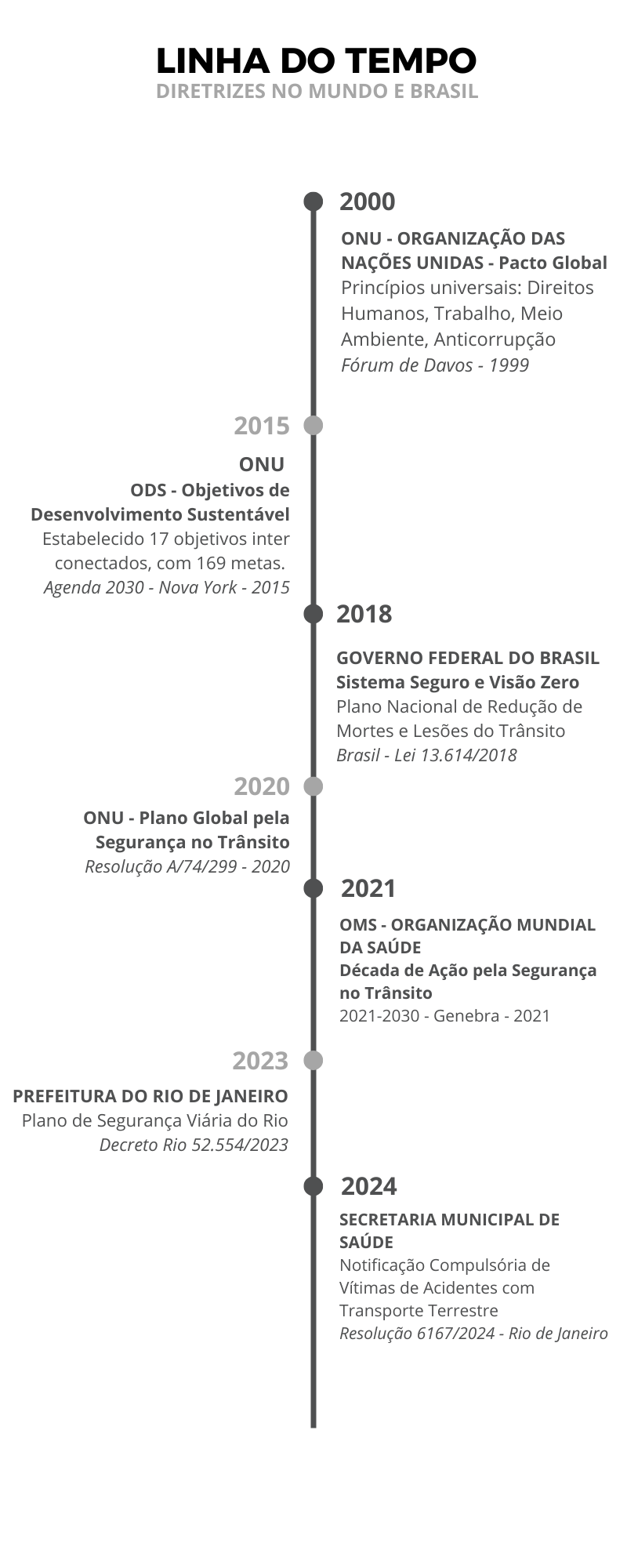
Figure 2: Timeline of guidelines in the world and in Brazil
Source: The authors
In a General Assembly held in 2020, based on Resolution 74/299, the UN established the Global Plan for Road Safety, with the goal of preventing 50% of deaths and injuries in traffic by 2030. The World Health Organization (WHO) is responsible for coordinating and directing the Action Plan to be implemented across the globe, prioritizing economically less favored countries whose data are the most alarming. Between 2021-2030, the DECADE OF ACTION FOR ROAD SAFETY is in force, in direct convergence with SDG 03 - Health and Well-Being and SDG 11 - Sustainable Cities and Communities.
Like the WHO, the Brazilian Ministry of Health governs the main Public Policies in defense of life and promotion of the health of the population in national territory. The Unified Health System (SUS), Law 8,080/90, is one of the greatest achievements of civil society in Brazil and an international reference model for Public Health Policy.
In compliance with epidemiological and socio-environmental aspects, the legislation has important provisions to manage and instruct municipalities, in response to the demands of the population, to international pacts, and with a view to the Social Determinants of Health (SDH), whose concept is the observation of social, economic, political, cultural, ethnic, psychological, and behavioral factors, which can exert significant influence on the health of individuals.
Table 2: Summary of Traffic and Public Health Legislation in Brazil
SUS | PNPS | PNVS | PNRMAV | PNATRANS | PSV-Rio |
Unified Health System Law 8,080/90 | National Health Promotion Policy PRT MS/GM 2446/2014 | Política Nacional de Vigilância em Saúde Resolução 588/2018 | National Policy for the Reduction of Morbidity and Mortality from Accidents and Violence PRT MS/GM 737/2001 | National Plan for the Reduction of Deaths and Injuries in Traffic Law No. 13,614, of January 11, 2018 | Rio Road Safety Plan Decree Rio 52554/23 |
Source: Rio de Janeiro City Hall. Strategic Plan 2021-2024. Ministry of Health. Consolidation Ordinance No. 2
With a robust and consolidated legal structure, the SUS is the arm of the Brazilian State to guarantee universal, comprehensive, and equitable health rights. Based on the SUS, a set of Policies, Plans, and Programs are instituted for decentralized execution in each municipality. In Consolidation Ordinance No. 2, of 2017, we have the following organization:
Art. 2 The general policies for the promotion, protection, and recovery of Health are:
I - National Health Promotion Policy (PNPS), as per Annex I;
II - National Health Surveillance Policy;
Art. 3 The policies for disease control and coping with health problems are:
II - National Policy for the Reduction of Morbidity and Mortality from Accidents and Violence, as per Annex VII. (Brasil, 2017)
These instruments are important tools for the SUS Health Care Network (RAS), and are organized into three axes: Primary Health Care, Specialized Outpatient Care, and Hospital Care. The National Health Promotion Policy (PNPS), the National Health Surveillance Policy (PNVS), the National Policy for the Reduction of Morbidity and Mortality from Accidents and Violence (PNRMAV), among others, are absorbed by the RAS for the execution of their actions.
Another important national body, the National Traffic Secretariat (SENATRAN), linked to the Ministry of Transport, through the National Plan for the Reduction of Deaths and Injuries in Traffic (PNATRANS), launched the Safe System and Vision Zero, with five basic principles, which emphasize that, although traffic accidents occur, all efforts in the planning and management of roads must take place so that there are no deaths, considering the fragility of life in the face of vehicles.
In 2023, the Rio de Janeiro City Hall established the Road Safety Plan (PSV-Rio), in compliance with the international pacts already mentioned and the provisions established by the aforementioned Brazilian laws. The PSV-Rio reinforces the widely disseminated concept of intersectoriality, considering what is recommended by the SUS and SENATRAN policies. It also has eleven permanent members from the various municipal government departments. It assigns an important role to the SMS, as coordinator of the actions foreseen in the PSV-Rio, as stated in "Art. 10. It will be up to the SMS to regulate, as appropriate, the provisions of this Decree."
Social control is of fundamental importance in the diagnosis, evaluation, and suggestion of public strategies. Many federal, state, and municipal laws guarantee collective participation in their framework. As provided for in Art. 107 of the Municipal Organic Law, every four years, the elected Mayor must present the Strategic Plan for his/her administration. In the first half of 2021, the Rio Futuro 2021/24 Plan was published, and Social participation was guaranteed through public consultations through popular and institutional councils, Public Hearings, debates, meetings, and even electronic forms, under the slogan participa.rio. The population debated, opined, and decided on the perspective of the Sustainable Development Goals. 93 goals were defined, distributed across 06 cross-cutting themes: Longevity, Well-Being and Connected Territory; Equality and Equity; Economic Development, Competitiveness and Innovation; Climate Change and Resilience; Cooperation and Peace; and Governance. We can highlight that among the aspirations of the population are: improvement of public spaces for socializing and sports practice; conservation of sidewalks and implementation of bike paths as an alternative for mobility and leisure.
3 Relations between Cars and People in Different Urban Centers
The relations between cars and people are observed and discussed by experts, public managers, and the population across the planet. It can be said that, since the arrival of motorized vehicles in large cities and as already ratified in this work, great challenges have been imposed on society in the fight for the right to public space. Below we will understand how some cities have approached the topic.
3.1 In the city of Bogotá
When reading “City, Equality, Happiness”, by Londoño (2023), it is possible to glimpse how the author and former Mayor for two non-consecutive terms in the city of Bogotá, Colombia, is enthusiastic about the right to the city, especially from the perspective of pedestrian and cyclist practice. Londoño (2023, p. 255), states:
Efforts to give more and more space to cars have dehumanized the city, making it unpleasant and dangerous for humans, especially for the most vulnerable, such as children and the elderly, or those in wheelchairs or with limited visibility. The more they adapt to cars, the less pleasant cities become for walking, cycling, or strolling in public space. (Londoño, 2023, p. 255)
In his publication, Londoño (2023) also brings the perspective of other administrations in Bogotá, which since 1975 has reserved arterial roads for sports practice and other outdoor activities. This process was improved and expanded by successors, including in his administrations, and nowadays, Bogotá stands out worldwide for being a city friendly to cyclists and walkers, promoting active mobility. Prevailing the permanence of a successful project and ratifying collective well-being as a priority of public management.
The record below commemorates the 40th anniversary of the CICLOVIA Project in Bogotá. The closures occur on Sundays and block car traffic. On that occasion, about 121 km were reserved throughout the city.
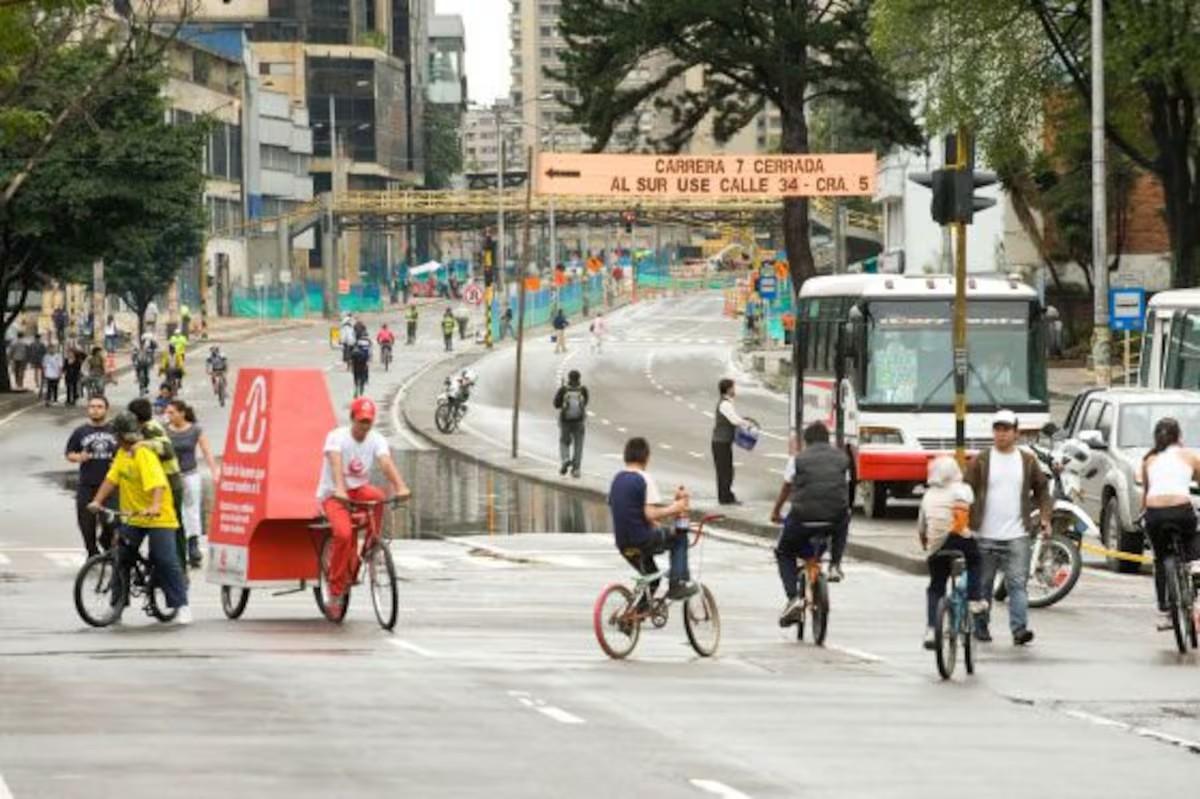
Figure 3: Blocked section for “Ciclovia Project” - Bogotá
Source: Electronic Portal of El País Newspaper. 2015. David Snyder (zumapress)
3.2 In Mexico City
In 2014, Mexico City took an important step in regulating the relationships between motor vehicles, people, and roads. The Federal District Mobility Law (LMDF) was approved, establishing a Pyramid of Urban Mobility Hierarchy, which returns to citizens the priority in the use of public roads. The new regulation provides a budget for adaptations and adjustments that comply with the rules of the five levels of organization of the Pyramid, where at the top we find the highest priority agents, namely pedestrians, animals, people with disabilities and walkers in general. Below the levels, we have cyclists and other non-motorized users. On the third level below, public transport. On the fourth level, freight transport, and on the fifth and final level, private cars and motorcycles. With these measures, the public authorities intend to democratize the use of roads, encourage adherence to public transport, and discourage the circulation of private vehicles.
3.3 In the city of São Paulo
In Brazil, we also have a successful model in this process of returning public roads to pedestrians and cyclists. In 2016, the city of São Paulo, under the administration of Mayor Fernando Haddad, inaugurated a project that provided for the closure of important city roads on Sundays and holidays for leisure. On that occasion, the Open Streets Program (Ruas Abertas) provided for the reservation of sections on 29 streets in various neighborhoods, including the famous Paulista Avenue. The initiative encourages cultural, gastronomic activities, socializing, and leisure. At the time, it was fostered by Public Consultation, that is, popular support and desire.
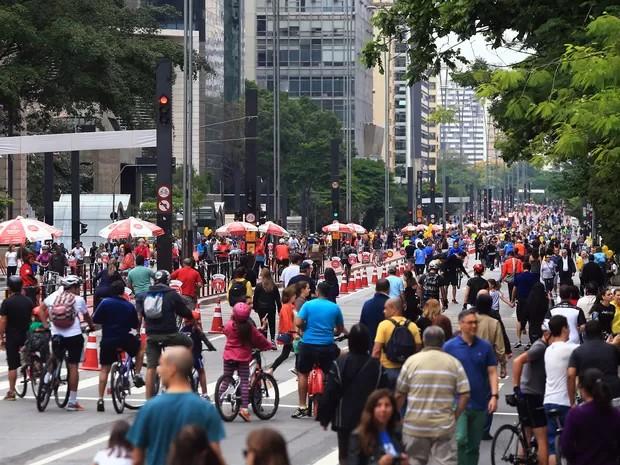
Figure 4: Paulista Avenue - Open Streets Program - São Paulo
Source: Portal G1. 2016. Hélvio Romero/Estadão Conteúdo.
Image from 2016, on one of the most emblematic public roads in Brazil, Paulista Avenue, on a day of vehicle prohibition, which occurs on Sundays and holidays. The image excellently conveys the adherence of São Paulo residents to the Open Streets Program, implemented in 2015.
In 2023, after a new organization of civil society, the Program was expanded to the streets of the iconic Liberdade neighborhood. In contradiction with the popularity and approval of São Paulo residents, the current administration of the Executive Branch of São Paulo has been reducing the spaces previously dedicated to leisure.
3.4 In the city of Rio de Janeiro
Some streets and areas in the north, south, and west zones of the city of Rio de Janeiro also participate in actions to close sections for leisure, but they are not integrated; they are specific activities, little disseminated and popularized. Restricting this access to a small portion of the population.
4 Intervention Proposal
Throughout the investigation of the material worked on, the project was updated. The intervention proposal was conceived as a set of integrated and intersectoral actions for the implementation of the 'If This Street Were Mine' (Se Essa Rua Fosse Minha) project.
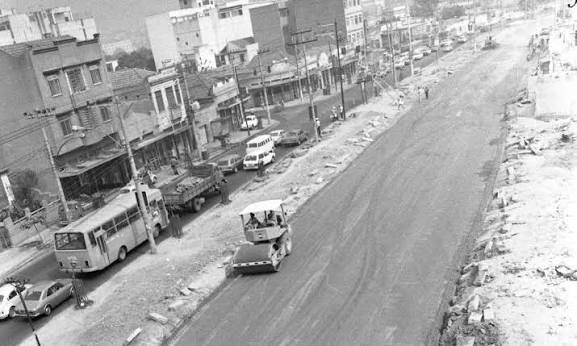
Figure 5: Record of the duplication works of Suburbana Avenue, in 1980.
Source: Memórias do Subúrbio Carioca. O Globo Collection. 2016
As illustrated in the image above, the process of expanding public roads for motorized vehicle traffic was massified in the last century. Shortly after its inauguration, a two-way avenue would need to be duplicated to meet the 'accelerated' demand of cars. This, to the detriment of an area previously used by pedestrians, carts, and other transport of the time. In this sense, the 'If This Street Were Mine' Project was conceived as a tool for reclaiming public space by pedestrians and cyclists. In the 1980 photo, we have a record of the duplication of Suburbana Avenue, currently known as Dom Helder Câmara Avenue, which, with its 11km extension, became an important access route to various neighborhoods in the Rio suburbs.
Figure 6: Project Logo
Source: Illustrative image by the authors
One of the actions of the 'If This Street Were Mine' Project proposes reserving 3km of Dom Hélder Câmara Avenue on Sundays and holidays to inaugurate the Safe Carioca Ride (Rolé Carioca Seguro).
Two other tools are foreseen, such as the Carioca Traffic Education Torpedo, which will be used as a means of communication between the municipal public authorities and the city's drivers. Also the Carioquinha Citizenship, which proposes strengthening the existing pedagogical approaches in municipal public schools.
The three modalities must be carried out independently, but interconnected. They will be primary strategies for re-educating the population to appease traffic relations. The project ratifies its pacifying role, as it does not deal with exclusivity rights but rather the sharing of roads, emphasizing social justice.
Table 3: Action Framework of the IF THIS STREET WERE MINE Project
Project | Actions | Application Location | Responsible Institutions | Target Population |
SAFE CARIOCA RIDE | Road section reserved on weekends and holidays | Dom Helder Câmara Avenue; Del Castilho; Cachambi; Pilares and Abolição | CET - RIO SMTR SMS Subprefecture SMAC SME SMC DETRAN-RJ | Residents of the territory and other cariocas |
CARIOCA TRAFFIC EDUCATION TORPEDO |
Sending alerts, warnings and notices via SMS (Short Message Service) | Comunicação por Dispositivos Eletrônicos | SMS SMTR
SMAC MOBI-Rio STARTUP
Mobilidade | Drivers of public and private passenger and service transport services and of STARTUP |
CARIOQUINHA CITIZENSHIP |
Educational actions Traffic Education - Citizenship | Municipal Schools 3rd CRE Rio | SMS CET-RIO SMTR SME SMAC DETRAN-RJ | Basic Education students - 1st to 9th grade - 3rd CRE |
Road section reserved on weekends and holidays | Residents of the territory and other cariocas |
Source: Authors
4.1 Description of the actions of the IF THIS STREET WERE MINE Project
SAFE CARIOCA RIDE: this action provides for the reservation of sections/living areas in public roads, on weekends and holidays for sports, leisure, clean and active mobility, entertainment, health and education campaigns, cultural popularization, and other purposes for pedestrians and cyclists. The pilot project suggests that the actions be inaugurated in the north zone of the city, a region that comprises part of the territory of the Primary Care Coordination 3.2. Around 3km to 3.5km of Dom Helder Câmara Avenue, on one of the lanes, between the neighborhoods of Del Castilho, Cachambi, Pilares, and Abolição. In addition to the population of the mentioned neighborhoods, other residents of the Bandeira 2, Cardim, and Guarda favelas will also be benefited.
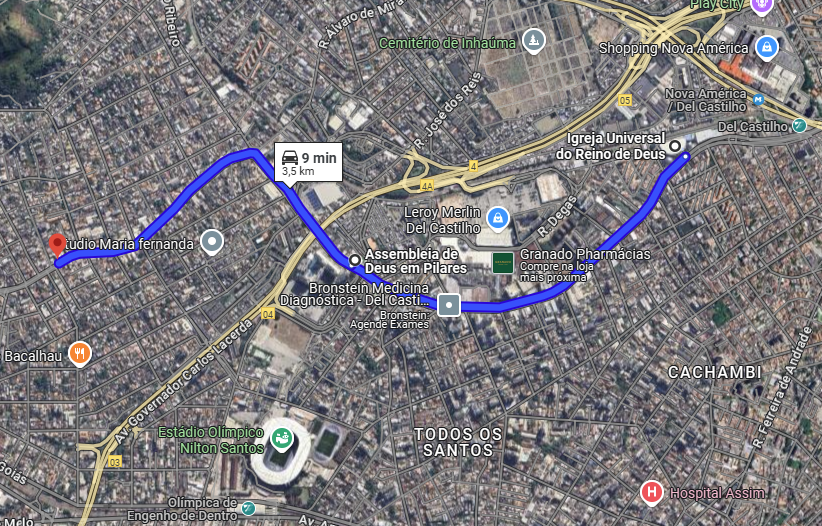
Figure 7: Blocked section between Del Castilho and Abolição
Source: satellite image - Google Maps, 2025.
This area concentrates significant circulation of people for leisure, entertainment, and the practice of the Christian faith. We have the State headquarters of the Universal Church, restaurants, commerce, Norte Shopping, and the headquarters of Capão do Bispo, which was included in the New Growth Acceleration Program to be revitalized and become a Museum and Center for Archaeological Studies. In addition to being able to provide access between adjacent streets, which connect to Galpão Engenhão, the Nilton Santos Olympic Stadium, and the Piedade Arlindo Cruz Park.
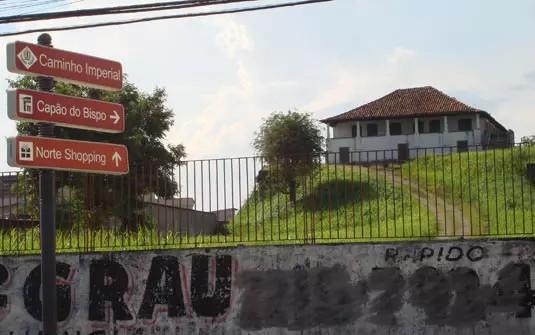
Figure 8: entrance and facade of the Capão do Bispo Farm headquarters
Source: Diário do Rio News Portal. 2024
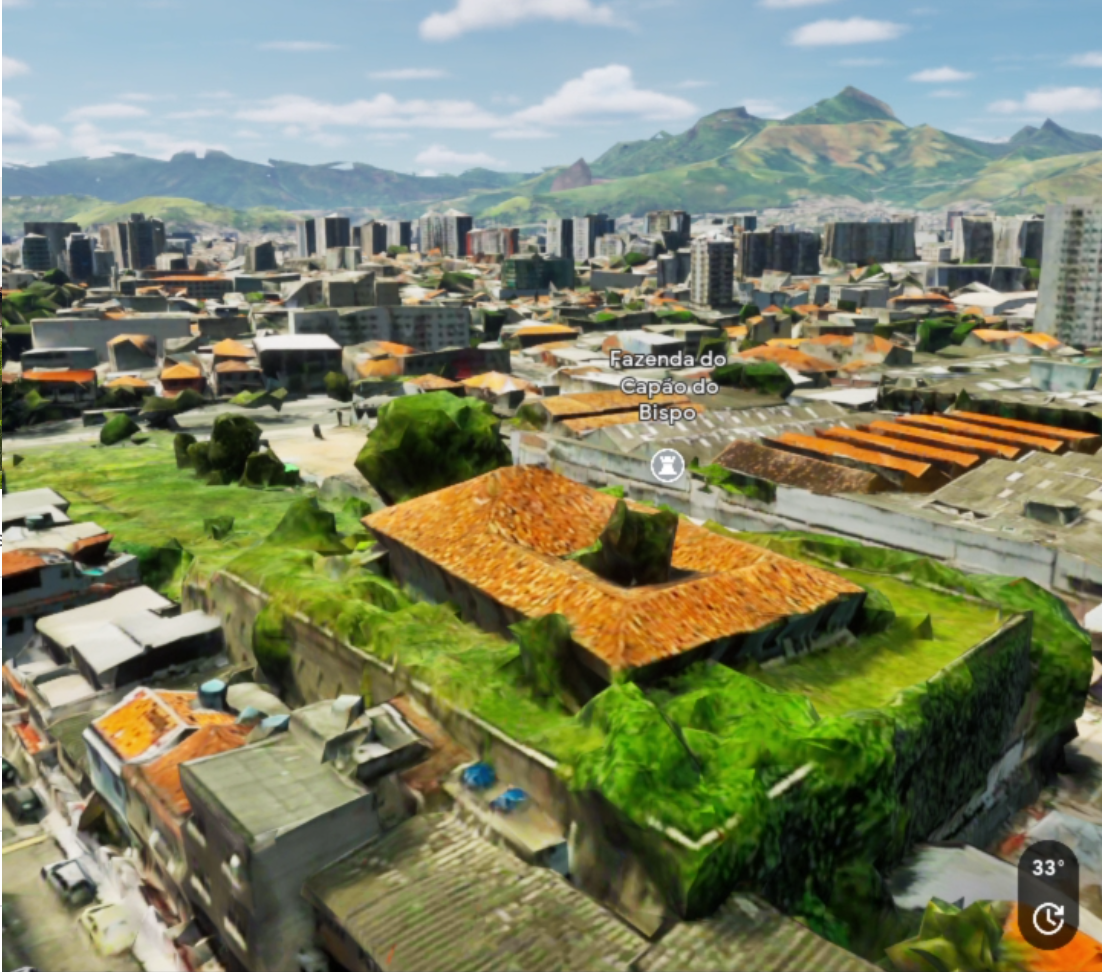
Figure 9: Land of the Capão do Bispo Farm headquarters
Source: 3D terrain, Immersive view - Google Maps, 2025
Therefore, in addition to defining a living area, the stretch will still connect the target public to other leisure and entertainment areas. Gradually and prioritizing less favored areas of the city, the project should advance until it is present in all Programmatic Health Areas of the municipality. The planning, management, and execution should count on the support of the Traffic Engineering Company, Municipal Transport Department, Municipal Health Department, Subprefecture, Municipal Environment Department, Municipal Education Department, Municipal Culture Department, Rio de Janeiro State Traffic Department.
CARIOCA TORPEDO: this action provides for a communication channel between public agencies and motorized vehicle drivers. It should primarily reach drivers of public transport, and other public and/or private sector activities involving motorized vehicle travel. The messages will be primarily to inform, warn, and guide drivers. With an emphasis on traffic education, this resource will be a pedagogical facilitator in disseminating important guidelines for promoting safety on public roads. Thus multiplying and massifying the importance of respecting traffic rules, sharing roads safely and respectfully, especially for preserving the lives of pedestrians and cyclists. The planning, management, and execution should count on the support of the Municipal Health Department (SMS), Traffic Engineering Company (CET-Rio), Municipal Transport Department, Municipal Education Department, Municipal Environment Department (SMAC), MOBI-Rio, Rio de Janeiro State Traffic Department (DETRAN-RJ), Mobility STARTUP (UBER, 99, IN-DRIVER).
CARIOQUINHA CITIZENSHIP: this action provides for intra and intersectoral actions in municipal public schools, and add tools to the existing Pedagogical Political Project, with the support of internal and external public agents from various sectors. Thus adding technical knowledge to specific content on the right to public space, rules of collective living, traffic education, right to the city, among other subjects. Improve educational content, qualifying the professionals involved and thus promoting innovative and dynamic methods in the applicability of the action. Prioritize popular dialogic to offer more effective learning and thus greater approximation to the social reality of families. The planning, management, and execution should count on the support of the Traffic Engineering Company, Municipal Transport Department, Municipal Health Department, Subprefecture, Municipal Environment Department, Municipal Education Department, Municipal Culture Department, Rio de Janeiro State Traffic Department.
4.1.1 Recommendations
The proposal recommends that the Pilot Project be implemented as soon as possible, given the ongoing deadline of the 2030 Agenda. It also suggests a task force among the collegiate bodies, with planning and execution of actions in the short and medium term.
5 Results and Discussion
5.1 Intersectoriality and the convergence between current Policies and Plans
In light of the above, the urgent need arises to propose actions that contribute to reducing accidents involving motorized land vehicles, curbing the deaths of pedestrians and cyclists, who, in the chain of relations, are in a vulnerable position and more exposed to the risks of death and physical injuries. Trauma that may be temporary and/or permanent.
The complexity of urban problems requires greater investigation, analysis, and planning so that actions are as assertive as possible. In the corporate world, we increasingly see Intersectoriality achieving a leading role in the effectiveness of service management. Comerlatto et al. (2007) state about intersectoriality:
Its construction, which manifests itself in countless initiatives, is part of a transformative process in the way of planning, executing, and evaluating intersectoral actions. Thus, it demands from the institutions and subjects involved a reordering in the implementation of specific manifestations within the set of public policies. (Comerlatto et al., 2007)
Therefore, for the execution of the pilot project IF THIS STREET WERE MINE, we must count on the municipal public administration of Rio, which involves several secretariats, coordinators, managements, other departments at the state level, as well as partnerships with private sector companies.
Although there is a distribution of powers in public administration, the federal sphere, at the executive and legislative levels, is responsible for consolidating the Laws that dictate the minimum guidelines to be executed by state and municipal managers. We have listed important excerpts from three of the legal provisions explored in this work, which can be used to support the implementation of the proposal.
The National Health Promotion Policy (PNPS) - PRT MS/GM 2446/2014 - Art. 10 - VI - promotion of safe mobility, which comprises:
a) seek to advance intersectoral and intrasectoral articulation, involving health surveillance, primary care, and the urgency and emergency networks of the territory in the production of care and in the reduction of morbidity and mortality resulting from traffic;
b) guide integrated and intersectoral actions in the territories, including health, education, traffic, enforcement, environment, and other sectors involved, in addition to society, aiming to define integrated planning, partnerships, attributions, responsibilities, and specificities of each sector for the promotion of safe mobility; and
c) advance in the promotion of educational, legislative, economic, environmental, cultural, and social actions, based on qualified information and integrated planning, which guarantees safe traffic, the reduction of morbidity and mortality, and peace in traffic;
The National Health Surveillance Policy (PNVS) - Resolution 588/2018 - Art. 6. For the purposes of this Policy, the following definitions will be used:
II - Health promotion actions: stimulate health promotion as part of the integrality of care in the Health Care Network, articulated with other social protection networks, covering activities aimed at adopting social and health practices centered on equity, participation, and social control, to favor human mobility and accessibility, and promoting a culture of peace in communities, territories, and municipalities.
National Plan for the Reduction of Deaths and Injuries in Traffic (PNATRANS) - Law No. 13,614, of January 11, 2018.
Art. 4. The PNATRANS is aligned with the Safe Systems and Vision Zero approaches.
§ 1. Vision Zero and safe systems are understood as the basic premise that human error is inevitable, but deaths and serious injuries in traffic are not, based on a deeper understanding of the causes of fatalities and injuries, in order to end deaths and serious injuries in traffic.
§ 2. The principles of a safe mobility system are:
I - no death in traffic is acceptable;
II - human beings make mistakes;
III - human beings are vulnerable to traffic injuries;
IV - responsibility is shared by those who design, build, manage, and use roads, vehicles, and those responsible for victim care; and
V - traffic safety management is integrated and proactive.
Art. 5. The actions of the PNATRANS address the connections between traffic safety and health, development, education, equity, gender equality, sustainable cities, environment, and climate change, as well as providing the establishment of interfaces with the Sustainable Development Goals (SDGs).
It is possible to affirm, based on the current guidelines, that the Ministry of Health and the Ministry of Transport are aligned and committed to international treaties and agreements. The updating of regulations, with established tasks, advocating for plurality, multidisciplinarity, and intersectoriality to achieve the goals.
5.2 Health Promotion
To find solutions to complex issues, such as the inquiry of this problem situation, often requires research into existing legal provisions. And in Brazil, we have a vast portfolio of regulations. Sperandio (2016) conducted a review of the City Statute (Law 10,257/2001) and the National Health Promotion Policy (PNPS, Ordinance 2,446/2014) and identified convergent elements between them to guide actions for the production of healthy cities, such as: Mobility, Accessibility, Safe Development, Sanitation, Housing, Transport, Well-being, Healthy Environment, Popular Participation, Autonomy. Two documents with distinct identities, but expanding intersectoriality and interdisciplinarity as tools for the full development of urban space with a comprehensive focus on people's needs.
The PNPS cyclically and continuously ratifies how its actions benefit the populations served. In the city of Rio de Janeiro, the PNPS is presented in the SMS Rio structure as the Superintendence of Health Promotion and articulates its actions, especially with the Superintendence of Health Surveillance and the Superintendence of Primary Care. As the sector responsible for the School Health Program, RAP da Saúde, also with the campaigns "Racism Harms Health" and "Smoking Control". An important tool for action in the Comprehensive Health Care Lines, such as the control of Chronic Non-Communicable Diseases. It is expected that SPS Rio will be a driving force for articulating the If This Street Were Mine Project, which with its expertise will be able to lead the planning. Pacifying the relations between motor vehicle drivers, cyclists, and pedestrians on the public roads of the city of Rio de Janeiro, and thus promoting safe, harmonious, respectful, and equitable urban mobility. We can achieve specific objectives, such as:
- Raise awareness among motor vehicle drivers about the risks of reckless and violent driving;
- Promote a culture of right to public roads and respect for pedestrians and cyclists;
- Foster good practices in collective and individual, public, and private transport services;
- Favor the accessibility of people with disabilities;
- Promote integrated mobility with other public areas intended for leisure, entertainment, and collective socializing;
- Encourage the use of bicycles as a transport and leisure option;
- Prepare new generations for the challenges of community living in large urban centers;
- Bring the reality of suburban settlements closer to the models of living and circulation areas of more structured neighborhoods;
- Stimulate the use of public transport, reducing the flow of vehicles on roads and the emission of polluting gases;
- Reduce the number of run-overs in all "Programmatic Health Areas" in the municipality of Rio de Janeiro;
- Mitigate medical care expenses in the Health Care Network (RAS SUS).
Table 4: Expenses in the Municipality of Rio de Janeiro
MRJ - AIH Value - Municipal Hospitals - 2023 - EXPENSE - 0408 - Musculoskeletal system surgery |
Item | Value R$ |
0408 Musculoskeletal system surgery | 19.008.571,68 |
Source: TABNET Municipal Rio. Extraction 01/30/2025
The table below demonstrates a brief comparison between surgical expenses of municipal hospital units and the budget forecast for educational and Health Promotion actions foreseen in the pilot project.
Table 5: Budget in the Municipality of Rio de Janeiro
BUDGET - 4.10 - Budget Execution of Expenditure by Action - 2023 |
Item | Value R$ |
2218 - Strategic Health Promotion and Reduction of Inequities Actions | 5.891.831,48 |
BUDGET - Short Message Service (SMS) Service |
Item | Value R$ |
Provision of SMS (Short Message Service) message sending services - 24 MONTHS | 116.880,00 |
Source: Rio de Janeiro Comptroller General - Accountability Report. Diário do Rio 04/15/2024. Pg 409; IPLANRIO X SAGO GLOBAL SOLUÇÕES EM TECNOLOGIAS LTDA - 2024; Diário do Rio. 09/03/2024. Pg 144
Table 4 begins with the statement of the amount in reais of hospitalizations and surgeries performed in the city of Rio's hospitals related to the musculoskeletal system. These are types of procedures performed on traumatized patients. And typically, people in the condition of run-overs need interventions of this nature. During the year 2023, Rio's public health incurred an expenditure of around nineteen million reais. This amount does not reflect total expenses, since traumatized patients often require other surgeries, such as neurological, ophthalmological, plastic, among others. We also do not account for the costs of outpatient treatments, such as physical therapy and rehabilitation. Therefore, expenses with these incidents are even higher.
On the other hand, the municipality of Rio invests lower amounts in Health Promotion activities, whose main goal is the prevention of health problems. During 2023, expenses represent ⅓ (one third) of the repair values for procedures in group 0408 Musculoskeletal system surgery. In Table 5, we also have the contracting value for Short Message Services, in which a two-year service costs the treasury around one hundred and seventeen thousand reais. This represents a negligible amount compared to medical expenses in treating polytraumatized patients.
Therefore, when we talk about Health Promotion, we translate into savings for the public coffers. Even more importantly, in the prevention of health problems and preservation of lives.
5.3 Education and Health
From the 19th century onwards, Brazil, following international models, conferred on the school environment health actions as a potential for its sanitary actions. Between 1930 and 1945, a single manager was responsible for the portfolio, the Ministry of Education and Public Health. It is known that it was not always with assertive models, but with the objective of using educational spaces to execute its sanitary planning, with Education being a path to solving the Public Health problems of the time (Silva, 2019).
Over decades, it is possible to identify legal advances, as Brazilian Legislation confers the importance that the portfolios require as an object of multidisciplinarity. However, in our country, we have a plural and extremely diverse territory that presents a real challenge for professionals in Education, Health, and other areas of knowledge. The obstacles are diverse, ranging from a shortage of financial and human resources to the challenges imposed by the territory to be served. Promoting Health encounters determining social issues in the execution of its attributions, which overlap with pedagogical and educational aspects. We constantly perceive the need to connect public Health and Education actions, already considering the execution of a common planning, but even more urgent in periods of health crisis such as the one we experienced during the COVID-19 pandemic.
Quite frequently, as also mentioned in articles and other scientific works, the role of Education as one of the main transformative actions is ratified. But, as Santos (2013) pointed out, we must “fight current formal education, which simplifies the realities of the world, subordinated to the logic of business.” Our greatest challenge is to stimulate innovative methods to attract more people to the pursuit of knowledge, to learning in an integral way. More aware people will be better prepared to reflect, debate, live together, decide, and choose. Education and citizenship cannot fall into disuse, in all age groups, but especially in school age. In 1987, Milton Santos, an important Brazilian multi-professional scientist, left us with a timeless question: “How many inhabitants in Brazil are citizens? How many do not even know they are not?”
Finally, urban planning and reordering deliveries must not be separated from educational actions. Expanding communication with the delivery of information and instructions are fundamental strategies for changing cultural paradigms, understanding that some do not benefit the population and there is a need for transformation in the way of being and/or doing.
6 Final Considerations
When examining the history of humanity and societies, from time to time, major natural events or those by direct human action alter the natural course established at the time. Even before the SARS-CoV-2 pandemic, in 2020, became a reality, leaders from the southern to the northern hemisphere of the planet were already questioning and debating the future of the next generations. Witness the current international pacts.
Motorized vehicles have been part of this agenda for some time. Whether due to the burning of fossil fuels, economic aspects, and/or the production of alarming numbers of accidents on roads distributed around the world. Once again, we are living through a decade with special attention to traffic violence, after the WHO, from 2021 onwards, began conducting the actions of the "Decade of Action for Road Safety", in compliance with the UN 2030 Agenda.
Therefore, it is time for a collective mobilization in favor of pacification between drivers, pedestrians, and cyclists. The project presented was conceived based on the most current guidelines and agreements. It has no punitive bias, but rather a pedagogical one. It foresees infrastructure, technological, and educational interventions. We ratify the need for articulation between Urbanism, Health, and Education, beyond a mere exercise of Intersectoriality, but to establish a continuous, latent, and effective relationship in favor of the integral well-being and health of the cariocas. A sense of collectivity is necessary, as is the notion that everyone is able to contribute in some way to overcome the challenges that urban niches impose on us. It is time for innovation in public management articulations, and to stimulate cooperation from the private sector and other social actors. The positions of hierarchy on the roads are not transitory, and there is a priority established by legal support, where the pedestrian is the most vulnerable element. And lives must be preserved!
"Citizenship, without a doubt, is learned..."
(Milton Santos, 1987)
References
BRASIL. Ministério dos Direitos Humanos e da Cidadania. Comissão Nacional para os Objetivos de Desenvolvimento Sustentável da ONU é instalada com a posse de 84 representantes do governo e sociedade. Available at: https://www.gov.br/mdh/pt-br/assuntos/noticias/2023/dezembro/comissao-nacional-para-os-objetivos-de-desenvolvimento-sustentavel-da-onu-e-instalada-com-a-posse-de-84-representantes-do-governo-e-sociedade. Publicado em: 19/12/2023. Access in: 12 aug. 2024.
BRASIL. Ministério dos Transportes. Secretaria Nacional de Trânsito. Plano Nacional de Redução de Mortes e Lesões no Trânsito. Lei nº 13.614, de 11 de janeiro de 2018. Available at: https://www.gov.br/transportes/pt-br/assuntos/transito/pnatrans/plano-de-acoes. Access in: 28 jan. 2025
BRASIL. Ministério da Saúde. DATASUS. Sistema TABNET Win. Dados Consolidados de AIH. Available at: http://tabnet.datasus.gov.br/cgi/tabcgi.exe?sih/cnv/qirj.def. Access in: 30 jan. 2025
BRASIL. Ministério da Saúde. Portaria de Consolidação nº 2. Consolidação das normas sobre as políticas nacionais de saúde do Sistema Único de Saúde. Anexo I Política Nacional de Promoção da Saúde (PNPS). Anexo VII Política Nacional de Redução da Morbimortalidade por Acidentes e Violência. 28 set. 2017. Available at: https://bvsms.saude.gov.br/bvs/saudelegis/gm/2017/MatrizesConsolidacao/Matriz-2-Politicas.html#. Access in: 28 jan. 2025.
EPI-RIO - Observatório Epidemiológico da Cidade do Rio de Janeiro. Acidentes de Transportes Terrestres. Available at: https://epirio.svs.rio.br/painel/acidente-de-tranporte-terrestre/. Access in: 06 jun. 2026.
GOVERNO ESTADUAL DO RIO DE JANEIRO. Instituto de Segurança Pública - ISP. Painel ISP Conecta Trânsito. Available at: https://ISP conecta.rj.gov.br/transito/. Access in: 06 apr. 2026.
PREFEITURA DA CIDADE DO RIO DE JANEIRO. Secretaria Municipal de Saúde. RESOLUÇÃO SMS Nº 6167 DE 29 DE MAIO DE 2024 Estabelece a notificação compulsória de vítimas de acidentes com transportes terrestres na Cidade do Rio de Janeiro.
PREFEITURA DA CIDADE DO RIO DE JANEIRO. Plano Estratégico 2021 2024 - Plano Rio Futuro. Available at: https://planorio-pcrj.hub.arcgis.com/. Access in: 20 dec. 2024.
PREFEITURA DA CIDADE DO RIO DE JANEIRO. DATA.RIO. Mapa Áreas Programáticas da Saúde da Secretaria Municipal de Saúde. Available at: https://www.data.rio/datasets/PCRJ::%C3%A1reas-program%C3%A1ticas-da-sa%C3%BAde/explore. Access in: 17 mar. 2025
COMERLATTO, Dunia et al. Gestão de políticas públicas e intersetorialidade: diálogo e construções essenciais para os conselhos municipais. Revista Katálysis, Universidade Comunitária Regional de Chapecó. 2007
FURTADO, Carlos Ribeiro. Intervenção do Estado e (re)estruturação urbana. Um estudo sobre gentrificação. Cad. Metrop., São Paulo, v. 16, n. 32, 2014.
LONDOÑO, Enrique Peñalosa. Cidade, Igualdade, Felicidade. Publicações Pereira Passos. Rio de Janeiro. 2023.
PORTAL de Notícias Diário do Rio. Incluída no Novo PAC, Fazenda Capão do Bispo será finalmente revitalizada e transformada em museu. Rio de Janeiro. Em 04/12/2024. Available at: https://diariodorio.com/incluida-no-novo-pac-fazenda-capao-do-bispo-sera-finalmente-revitalizada-e-transformada-em-museu/. Access in: 16 feb. 2025.
PORTAL de Notícias El País. Quando a rua é nossa. Bogotá, 2015. Available at: https://brasil.elpais.com/brasil/2015/11/19/internacional/1447955142_607993.html. Access in: 15 feb. 2025.
PORTAL de Notícias G1. Notícia sobre o trânsito. Rio de Janeiro. Available at: https://g1.globo.com/rj/rio-de-janeiro/noticia/2023/09/20/rj-tem-media-de-58-acidentes-por-dia-no-primeiro-semestre-de-2023.ghtml. Access in: 20 dec. 2024.
PORTAL de Notícias G1. Prefeitura oficializa o fechamento da Av. Paulista aos domingos e feriados. Rio de Janeiro. São Paulo. Em 26/06/2016. Available at: https://g1.globo.com/sao-paulo/noticia/2016/06/prefeitura-de-sp-oficializa-fechamento-da-av-paulista-aos-domingos.html. Access in: 15 feb. 2025.
PORTAL Rede Social Facebook. Memórias do Subúrbio Carioca. Acervo O Globo. Rio de Janeiro. Em 27/10/2016. Available at: https://www.facebook.com/photo.php?fbid=722072844607433&id=140888499392540&set=a.140939666054090&locale=pt_BR. Access in: 16 feb. 2025.
SANTOS, Milton. O Espaço da Cidadania e Outras Reflexões. Fundação Ulysses Guimarães. Brasília. 2013. (Coleção O Pensamento Político Brasileiro, v. 3).
SANTOS, Milton. Passado e presente das relações entre sociedade e espaço e localização pontual da indústria moderna no Estado da Bahia. Boletim Paulista de Geografia, São Paulo, n. 65, p. 5-27, 1987.
SILVA, Carlos dos Santos. Saúde na escola: intersetorialidade e promoção da Saúde. Rio de Janeiro, RJ. Editora Fiocruz, 2019.
SPERANDIO, Ana Maria Girotti. FILHO, Lauro Luiz Francisco. MATTOS, Thiago Pedrosa. Política de promoção da saúde e planejamento urbano: articulações para o desenvolvimento da cidade saudável. Ciência & Saúde Coletiva. Laboratório de Investigações Urbanas-Unicamp. Campinas. 2016.
About the Authors
Michelle Silva Blandy holds a specialization in Urban Management and Health from DSSA/ENSP/Fiocruz, a specialization in Integrated Educational Management from the Instituto Superior de Educação/ISERJ/FAETEC, and a bachelor's degree in Biological Sciences from Centro Universitário Celso Lisboa. She is a civil servant of the municipality of Rio de Janeiro, having worked at the Municipal Health Department since 2011, acting in the four axes of Health Surveillance, participating in strategic and operational actions in major health events. She was part of the team responsible for preparing the Basic Project for the Carioca Eye Center and the Carioca Diagnostic and Imaging Treatment Center, part of the Super Carioca Health Center. In 2022, she acted as a Preceptor in the Health with Agent Project, the largest public distance technical training program carried out by the Support Foundation of the Federal University of Rio Grande do Sul/UFRGS. Since 2023, she has been part of the municipal development program for the training of Carioca Leaders and Managers, promoted by the João Goulart Foundation/FJG. She currently works as part of the team at the Superintendence of General and Specialized Hospitals, at the Municipal Health Department, providing technical support in management and intersectoral articulation activities.
Cláudia Gonçalves Thaumaturgo da Silva holds a PhD in Ocean and Earth Dynamics from the Department of Geology and Geophysics at the Federal University of Fluminense, a Master's in Public Health from the Sérgio Arouca National School of Public Health/Oswaldo Cruz Foundation/Fiocruz, a specialization in Urban Land Use Planning from IPPUR/UFRJ, and a bachelor's degree in Architecture and Urbanism from the Federal University of Fluminense. She is a Technologist in Public Health at the Department of Sanitation and Environmental Health, Sérgio Arouca National School of Public Health/Oswaldo Cruz Foundation - DSSA/ENSP/Fiocruz, working in teaching and research on topics related to urban environmental health and disasters. She participated as an architect in the Favela-Bairro Program, of the Rio de Janeiro City Hall, in 1994, and in the Open University Program, of DSSA/ENSP/Fiocruz, as a CNPq fellow, from 1995 to 1997. She was a university professor in the Architecture and Urbanism course at Centro Universitário Plínio Leite, in Niterói, from 1999 to 2011. She is currently deputy coordinator of the specialization course in Urban Management and Health at DSSA/ENSP/Fiocruz, where she also works as a professor, with the theme of Urban Socio-environmental Disasters, Vulnerabilities, and Resilience.
Author Contributions
Conceptualization, [M.S.B.]; methodology [M.S.B.]; software, [M.S.B.]; validation, [C.G.T.S.]; formal analysis, [C.G.T.S.]; investigation, [M.S.B.]; data curation, [M.S.B.]; writing—original draft preparation, [M.S.B.]; writing—review and editing [C.G.T.S.]; visualization, [M.S.B.]; supervision, [C.G.T.S.], project administration, [C.G.T.S.]. All authors have read and agreed to the published version of the manuscript.
Acknowledgments
The authors acknowledge the contributions of the urban planning, traffic, and health agencies and institutions of the State and Municipality of Rio de Janeiro/RJ for providing essential data for the diagnosis of accidents and the development of active mobility guidelines. We also express our gratitude to the Coleção Estudos Cariocas, of the Instituto Municipal de Urbanismo Pereira Passos, for welcoming the work and for contributing to the dissemination of knowledge focused on pedestrian and cyclist safety.
Conflicts of Interest
The author declares no conflict of interest.
About Coleção Estudos Cariocas
Coleção Estudos Cariocas (ISSN 1984-7203) is a publication dedicated to studies and research on the Municipality of Rio de Janeiro, affiliated with the Pereira Passos Institute (IPP) of the Rio de Janeiro City Hall.
Its objective is to disseminate technical and scientific production on topics related to the city of Rio de Janeiro, as well as its metropolitan connections and its role in regional, national, and international contexts. The collection is open to all researchers (whether municipal employees or not) and covers a wide range of fields — provided they partially or fully address the spatial scope of the city of Rio de Janeiro.
Articles must also align with the Institute’s objectives, which are:
- to promote and coordinate public intervention in the city’s urban space;
- to provide and integrate the activities of the city’s geographic, cartographic, monographic, and statistical information systems;
- to support the establishment of basic guidelines for the city’s socioeconomic development.
Special emphasis will be given to the articulation of the articles with the city's economic development proposal. Thus, it is expected that the multidisciplinary articles submitted to the journal will address the urban development needs of Rio de Janeiro.
[1] A person who was born in or who lives in the city of Rio de Janeiro.