Volume 14 Issue 3 *Corresponding author viniciusburle2001@gmail.com Submitted 03 Jul 2026 Accepted 06 Aug 2026 Published 27 Aug 2026 Citation CRUZ, V. B. F. A..; MACHADO, A. B. Between actors and reactors: the inception of innovation centers in Ilha do Fundão (RJ) (1958 – 1979). Coleção Estudos Cariocas, v. 14, n. 3, 2026.
DOI: 10.71256/19847203.14.3.249.2026 The article was originally submitted in PORTUGUESE. Translations into other languages were reviewed and validated by the authors and the editorial team. Nevertheless, for the most accurate representation of the subject matter, readers are encouraged to consult the article in its original language.


| Between actors and reactors: the inception of innovation centers in Ilha do Fundão (RJ) (1958 – 1979) Entre atores e reatores: a incepção dos centros de pesquisa estatais na Ilha do Fundão (RJ) (1958 – 1979) Entre actores y reactores: la incepción de centros de investigación estatales en Ilha do Fundão (RJ) (1958 – 1979) Vinícius Burle Ferreira Araujo Cruz1* and Ana Brasil Machado2 1Universidade Federal do Rio de Janeiro, Av. Athos da Silveira Ramos, 274, Cidade Universitária, Rio de Janeiro/RJ, CEP: 21941-916, 0009-0004-9013-9539, viniciusburle2001@gmail.com 2Universidade Federal do Rio de Janeiro, Av. Athos da Silveira Ramos, 274, Cidade Universitária, Rio de Janeiro/RJ, CEP: 21941-916, 0000-0001-5871-5058, anamachado@igeo.ufrj.br
AbstractThe article examines the inception of the state-owned research centers located on Ilha do Fundão, Rio de Janeiro, between 1958 and 1979. The text investigates how political decisions and strategic interests shaped the university campus of UFRJ, the Cidade Universitária. The methodology is based on the analysis of institutional documents and newspapers from this period to reconstruct the intentionality behind the decision to install research centers in that locality. The research revealed that the creation of these centers was stimulated by the quest for technological autonomy and the natural resources exploration needs during the military regime. Keywords: innovation; state companies; Petrobrás; Eletrobrás; Rio de Janeiro.
ResumoO artigo analisa a formação histórico-espacial, ou incepção, dos centros de pesquisa estatais localizados na Ilha do Fundão, no Rio de Janeiro, entre os anos de 1958 e 1979. O texto investiga como decisões políticas e interesses estratégicos transformaram os arredores de um dos campi da UFRJ, a Cidade Universitária. A metodologia baseia-se na análise de documentos institucionais e registros da imprensa para reconstruir as intencionalidades por trás da escolha desta localização. A pesquisa revelou que a criação desses centros foi impulsionada pela busca de autonomia tecnológica e exploração de recursos naturais durante o período desenvolvimentista do regime militar. Palavras-chave: inovação; empresas estatais; Petrobrás; Eletrobrás; Rio de Janeiro.
ResumenEste artículo analiza la formación histórico-espacial, o incepción, de los centros de investigación estatales ubicados en Ilha do Fundão, en Río de Janeiro, entre 1958 y 1979. El texto investiga cómo las decisiones políticas y los intereses estratégicos transformaron el entorno de uno de los campus de la UFRJ, la Ciudad Universitaria. La metodología se basa en el análisis de documentos y registros de prensa para reconstruir las intenciones detrás de la elección de esta ubicación. La investigación reveló que este proceso estuvo impulsada por la búsqueda de autonomía tecnológica y la exploración de recursos naturales durante el periodo militar. Palabras-clave: innovación; empresas estatales; Petrobrás; Eletrobrás; Río de Janeiro. |
1 Introduction: Fundão Island and scientific research
When observing the spatial organization of the University City of the Federal University of Rio de Janeiro (UFRJ) (Figure 1), located on Fundão Island, in the North Zone of the city of Rio de Janeiro (RJ), it is possible to perceive that, in addition to the objects directly associated with the university campus, there is also the presence of research centers from multiple institutions external to the university. The association between universities and research institutions is not a recent phenomenon and corresponds to one of the modalities of a technopole, a spatial arrangement that can be defined as a specific form of territorial concentration focused on technological innovation, with the potential to generate scientific synergy and economic productivity (Castells; Hall, 1994).
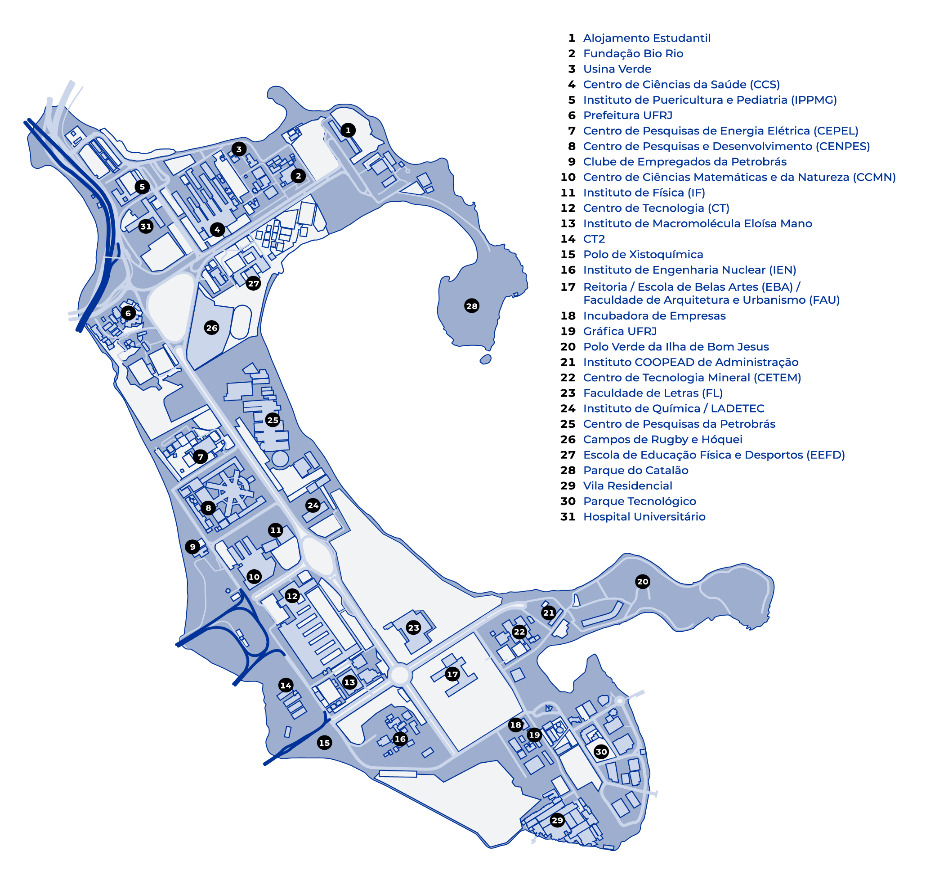
Figure 1: University City on Fundão Island in 2023
Source: Federal University of Rio de Janeiro (2023)
One of the questions that can be derived from the previous findings is regarding when and how the installation of these research centers in the University City of UFRJ began. First, it is necessary to trace a brief history of Fundão Island, the geographical feature in which the campus is located. Initially an archipelago with eight islands to the north of Guanabara Bay (Figures 2 and 3), Fundão Island was landfilled between 1949 and 1951 for the construction of the new campus of the University of Brazil (Menezes et al., 2005), later renamed to Federal University of Rio de Janeiro. Academic activities began gradually with the opening of teaching centers in the following decades, becoming effective as a university campus at its official inauguration in 1972.
However, long before the University City went into operation, Fundão Island was already the stage for some technical-scientific initiatives, many of which are in operation to this day. In the early 1960s, we had the construction of the Argonauta Reactor and the Institute of Nuclear Engineering, both linked to the National Nuclear Energy Commission. In 1973, the Leopoldo Miguez de Mello Research and Innovation Center (CENPES) was implemented, a Petrobras sector dedicated to research and development in the oil area. Following CENPES, several state research institutions of national relevance were installed on the island, such as the Electrical Energy Research Center (CEPEL) of Eletrobras in 1979, the Mineral Technology Center (CETEM) also in 1979, and the Biotechnology Hub in 1992. This process culminated in the creation of the UFRJ Technology Park in 2004, which, in number of participating companies, is the largest enterprise of this type on the Island.
The objective of this study is to analyze the spatial processes that unfolded in the installation of these research centers on Fundão Island with a focus on the first moment of this process, characterized by the inception of centers associated with federal state institutions, which occurred from 1958 to 1979. We chose this period because it is in it that we identify the first modality of creating innovation centers on the island, those of the federal state-owned companies. After the analyzed period, the characteristics of the new centers were quite different, being organized in technological hubs in a model of renting lots for private sector concessionaire companies.
To support the investigation, we searched the literature for previous works that analyzed the dissemination of research in technological innovation on the island. However, besides being sparse, they generally focus on the internal organizational forms of the sub-arrangements or their connectivity with the national innovation economy. We then have the works of Cardoso (2016) and Lima and Silva (2012), which analyzed the functioning of the research hub in the oil sector that developed from the installation of the Petrobras CENPES. Additionally, we also have Fernandes et al. (2017), who studied the relationship between the increase in research and development institutions on the island and the possible social benefits for the local community of the Residential Village.
Closer to our research objectives we also had the dissertation of Medeiros (2021) which dealt with the organizational forms of the technology centers on Fundão Island in the 1960s and 1970s, that is, CENPES, CEPEL and CETEM. The work deals with a large part of the institutional background that led to the creation of these centers, as well as the moment of formation of these centers, a subject also treated by our analysis, which in some ways was also supported by the findings of Medeiros (2021). However, although these approaches tangent to the theme provide valuable pointers for understanding certain moments and aspects of the process, none of these studies comes close to a proper analysis of the trajectory of this process as a whole. Furthermore, these works operate on a less comprehensive scale than what we propose here, which is Fundão Island as a whole. Therefore, for our research purposes, without necessarily qualifying Fundão Island as a technopole, the interest is to verify how and when these elements linked to innovation began to be inserted in the spatial organization of the Island, an investigation angle that we understand to be unprecedented.
2 Spatial processes and inceptions
The materiality that imposes itself on the eyes of researchers, that is, the visible aspect of space, has only partial explanatory power in geographical analysis, "the finished thing gives us the crystallization of movement, but not life itself" (Santos, 1996, p. 97). This becomes clear as we realize how much of the past is present in geographical forms, which are then the concrete testimony of past actions and intentionalities, products of a spatial process. Going further, we agree with Santos (1985) when he states that if a study wants to produce geographical knowledge, it must pay attention to four analytical categories that make up the geographical space. Thus, the proposed categories form, structure, function and process are inseparable from each other and only through their conjunction can we move towards the total understanding of a geographical phenomenon.
In a brief synthesis of what these categories encompass, the form would be the external or visible face of an object or set of objects (Corrêa, 1995), for example, the architectural part materialized in a building. The function would then be the attribution to be performed by this form (Corrêa, 1995), in the case of the building it can be a corporate or residential function. Both categories are inserted in the structure, the matrix that roots the social and economic character of societies in space. Continuing the example, the same building is constructed and exercises its function by a society and in a specific historical moment, that is, it is a component of the social structure that conceived it and that uses it, so that this form and its function are always encompassed by the structure (Corrêa, 1995). Given that space is a dynamic system, that is, always in motion, the above categories will always be mediated by processes. They comprise the changes materialized in the forms or in the symbolic sphere of functions through the action of time and structure (Corrêa, 1995). As an example of a process, the corporate building, even without changing its form, may, years later, not exercise the same function for which it was conceived, in a spatial process known as refunctionalization, in which the form is maintained and the function is modified.
By choosing the process as the focus of our analysis, we are not attributing lesser value to the other categories or ignoring them, but rather indicating the central importance of diachrony to contribute to the understanding of the spatial organization of Fundão Island. Spaces with the intense presence of technical-scientific activity are notable precisely for their dynamism. From vacant or abandoned lots to nodes of global innovation networks in a matter of months, the analysis of these movements needs to trace back to the agents and the intentionalities that undertook the inception of these objects.
"Inception", as described by Santos (1994), is precisely this process in which the construction of an object, mediated by intentionality, takes place in a given specific location. According to the author:
The objects that make up current technical systems are created from the explicit intention to perform a precise, specific function. This intentionality occurs from the moment of conception, up to the moment of their creation and production. the construction and the location, the inception, of the objects are subordinated to an intentionality that can be either purely mercantile or symbolic. (Santos, 1994, p. 101)
In other words, it is not just the construction of the object in an abstract way, as if the geographical position were subjugated by the form, but rather the interplay of intentionalities in the construction of that object in that particular place and not in any other, nor at any time. And, as Santos' (1994) proposition continues, the rationality that acts in the inception of an object here or there can be both mercantile and symbolic.
It is worth adding that incepção is a word that does not exist in the Portuguese language, being an anglicism adopted by Milton Santos for the term inception, with a similar meaning to that proposed by the author. As an example of inception, we can imagine an R&D office in electronics in Silicon Valley, it does not occur only through a mercantile rationality, especially given that the implementation costs are much higher than in the vast majority of other locations. The symbolic and qualitative character of joining the world's pioneering front in the area of electronics innovation is one of the differentials behind the chosen location. And it is by forming a mosaic of these multiple inceptions of objects genetically induced by different agents to produce technological innovation that the process gains its concrete spatial face.
3 Methodology: reconstructing the paths to the inceptions
The methodology of this research consists of identifying and collecting the documentation linked to this process, and then examining and organizing it in a temporal mosaic to reconstruct the diachrony of the process and present its spatial implications. First, the documents in institutional collections of UFRJ were surveyed, such as: meeting minutes and resolutions (revoked and in force) of the University Council (CONSUNI) relevant to campus planning that indicated the actions voted and legislated by the Council; master plans, strategic plans and urban plans made for the University City, which contain the sets of proposals for actions for the island.
As sources that expose the publicization of the inceptions, we used the hemerographic documentation of the National Library on the actions on Fundão Island and the public statements of managers that were disseminated. The research was carried out from the combination of keywords relevant to the research theme such as "Technological", "University City", "Research Center", "Technopole", "UFRJ", "Fundão Island", "Innovation Center", as well as the names of the objects or arrangements, for example "CETEM" or "CENPES", paying attention to the different ways of referring to these objects. Another important source is the institutional documents of the companies that installed their innovation centers on the island, such as Petrobras or Eletrobras, especially the annual reports.
A total of 38 documents were analyzed, predominantly of the hemerographic type (31 occurrences) and the rest institutional documentation of the report type (7 occurrences). Of these 38 documents, 18 dealt with the IEN/Argonauta Reactor, 7 with the CENPES and 13 with the innovation centers complex of the Ministry of Mines and Energy (MME), which were conceived together, the CETEM and the CEPEL. Forms were then filled out to carry out a content analysis of the documentation, a research technique employed with the objective of unraveling the disseminated discourses, as well as the agents and their intentionalities. From the collected documents, the following variables were extracted: date, agents, objects addressed, and a description of the content. The latter consists of the analysis of the events and the intentionalities associated with these events and that were publicized by the responsible agents. Equipped with these data, we organized the chronological description of the events based on the documentary content.
4 Results: the research centers of state institutions (1958 - 1979)
We begin our expository trajectory of the process with the first robust experiment that endowed Fundão Island with research institutions external to the university. The installation of the Institute of Nuclear Engineering (IEN) (Figure 8), with the support of the National Nuclear Energy Commission (CNEN), a body created in 1956, was integrated into the set of national concerns at the time, mainly the creation of energy alternatives.
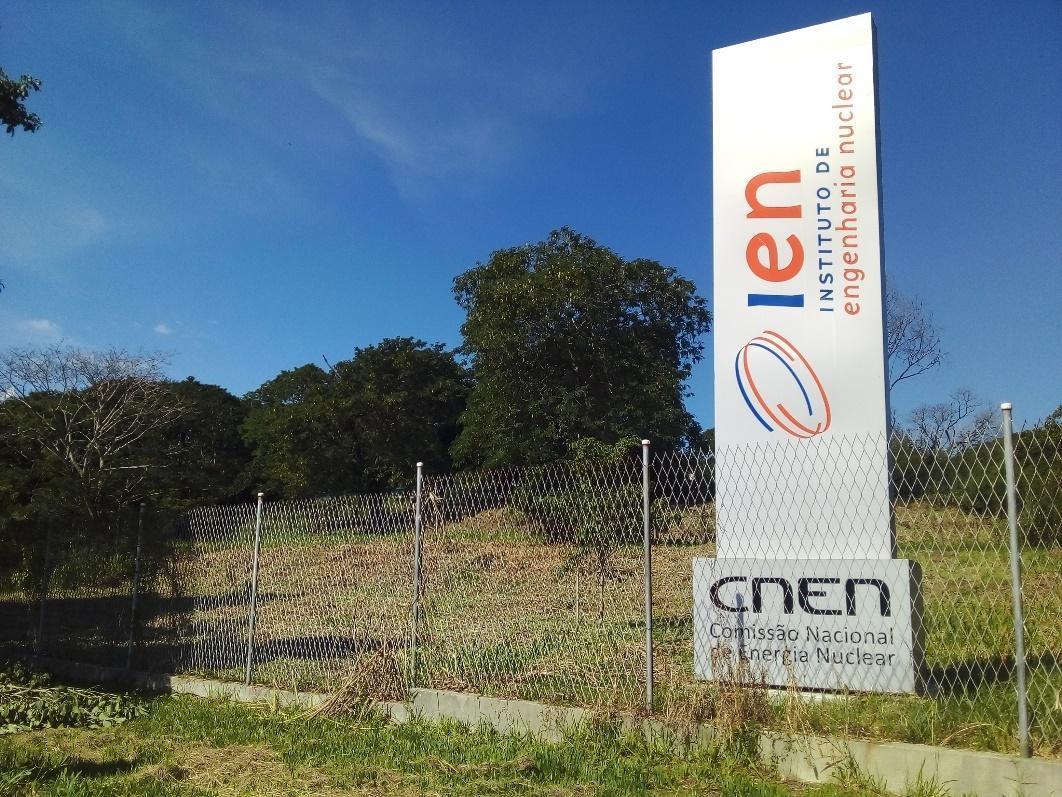
Figure 2: Surroundings of the IEN in 2025
Source: Personal Collection
The Argonauta Reactor produced almost entirely with national raw material was announced at the end of the 1950s, in agreements that also stipulated the importation of North American uranium (O Jornal, 1958). However, the first moment the reactor was associated with Fundão Island was in 1962, in a report suggesting that the first proposed location, Quinta da Boa Vista, could not be chosen due to problems with squatters on the land. This same report also indicates that the reactor was almost ready, with the critical phase expected to begin in two months.
As the analysis of the hemerography demonstrates, the construction of the reactor came from the articulation of federal institutions and researchers who returned from their studies in the United States. The idea of bringing a reactor to Brazilian soil was initially suggested by researchers who participated in experiments with a type of reactor developed in Argonne, a laboratory of the North American national department of energy located in Illinois, which generated the Portuguese name Argonauta. After the update of the nuclear agreements with the United States in 1959, the idea of the reactor began to be publicized as the first nuclear reactor built with almost entirely (92%) national raw material, with the exception of the enriched uranium coming from these agreements and the graphite imported from the United States (A Noite, 1961). The project was spearheaded by Engineer Antônio Carlos Didier, whose company Companhia Brasileira de Válvulas Limitada produced the reactor's superstructure at its factory in Bonsucesso (Correio da Manhã, 1963). The director of the IEN at the time, Jonas Santos, was the main spokesperson for the reactor's installation, granting multiple interviews presenting the project. Regarding its importance, Jonas Santos states:
The importance of a nuclear reactor for a teaching program is invaluable, since it would allow students to familiarize themselves with the construction and operation of these reactors (...) The 'Argonauta' is essentially a teaching reactor, but it will have here in Rio the possibility of producing a small amount of radioisotopes. Furthermore, it will be a research instrument capable of being used by nuclear physicists in some studies related to energy works. (O Jornal, 1963, p. 28)
Built in conjunction with the Argonauta Reactor, the Institute of Nuclear Engineering at the University of Brazil, one of the products of the agreement between the CNEN and the university, was materialized in 1962 (Correio da Manhã, 1963). The reactor was installed inside the institute, inaugurated before the reactor, located on Sapucaia Hill on the newly landfilled Fundão Island. The IEN building was inaugurated in 1963, with the cornerstone of the building having been laid by the then president João Goulart (Correio da Manhã, 1963a).
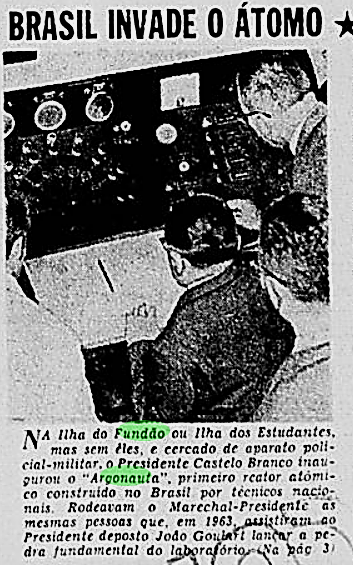
Figure 3: Press coverage on the inauguration of the reactor
Source: Última Hora (RJ) 08.05.1965 p. 1
The subsequent years were of multiple delays in the delivery of the reactor together with political changes in the leadership of the CNEN, a reflection of the political changes at the national level. Marcelo Damy was the president of the CNEN during the inception of the Argonauta reactor project and the IEN, replaced by the engineer Luís Cintra de Prado. In the same way, João Goulart, who inaugurated the IEN building, was deposed in 1964 and the argonauta reactor was inaugurated by the new president Marshal Castelo Branco in 1965 (Figure 3), in a speech that suggested that the reactor was part of the developmentalist policies defended by the military junta (Jornal do Brasil, 1965). It was a project that, despite having maintained a large part of its technical staff, went through different political cadres within the CNEN and the Federal Government.
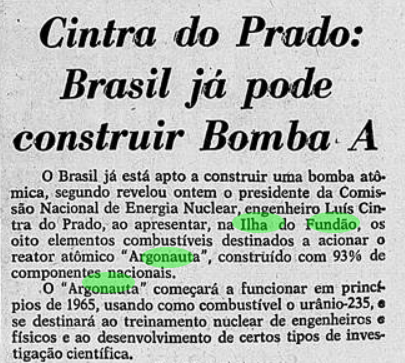
Figure 4: Statement by Cintra de Prado about the atomic bomb
Source: Diário carioca (RJ) 11.11.64 p.1
Ultimately, the Argonauta reactor was at the intersection of strong intentionalities within the Brazilian nuclear program. Planned as a symbol of Brazilian technical self-sufficiency, the reactor was associated with a developmentalist discourse in the early days of the military regime's administration. The president of the CNEN at the time, Luís Cintra de Prado, when presenting the advances of the Argonauta project, stated: "Brazil is ready for the construction of the Atomic Bomb" (Figure 4). The reactor was also publicized as the beginning of a movement towards the adoption of nuclear power plants for the production of electrical energy, something that materialized a few decades later with the Angra dos Reis nuclear power plants. Despite the great publicity given to the reactor, it is relatively modest and fulfills the function of research and teaching to this day.
In the public trajectory of the installation of the reactor and the IEN, little was mentioned about their integration with the University of Brazil and its campus. We highlight here only two moments: it was described that the technical staff responsible for the execution of the reactor was mostly composed of students who graduated from the Nuclear Engineering course at the School of Engineering of the University of Brazil (Jornal do Brasil, 1965); at the reactor's inauguration ceremony, the rector Pedro Calmon spoke on behalf of the cooperation between the IEN and the academic community of the University of Brazil (Última Hora, 1965).
After the installation of the Argonauta Reactor and the Institute of Nuclear Engineering in the 1960s, the following decade was marked by the installation of research centers of state-owned companies linked to the Ministry of Mines and Energy. The initial milestone of this new phase occurred through the signing of an agreement by Petrobras, destined for the implementation of its first research center in the University City of UFRJ.
Instituted in 1953, Petróleo Brasileiro S.A., or Petrobras, had a slow development regarding the production of its own technology, initially dedicating itself to the production of oil derivatives from the purchase of foreign productive technology (Mattos, 1999). The concern for an effectively endogenous technical-scientific production began with the creation of the Leopoldo Miguez de Mello Research Center, CENPES, in 1966 (Mattos, 1999).
From the institutional approval to the functioning of the CENPES materialized on Fundão Island (Figure 5), we have about a decade of debates involving the location, structure, and mode of operation of this new center. From 1964 to 1967, locations were sought for the definitive installation of the center of excellence (Petrobras, 2003). At the beginning of 1968, UFRJ offered the cession of the land on the condition that Petrobras was willing to create capacity building and training programs for researchers and technicians from the university (Petrobras, 2003). The agreement was then officially signed on March 6, 1968 (Tribuna da Imprensa, 1968).
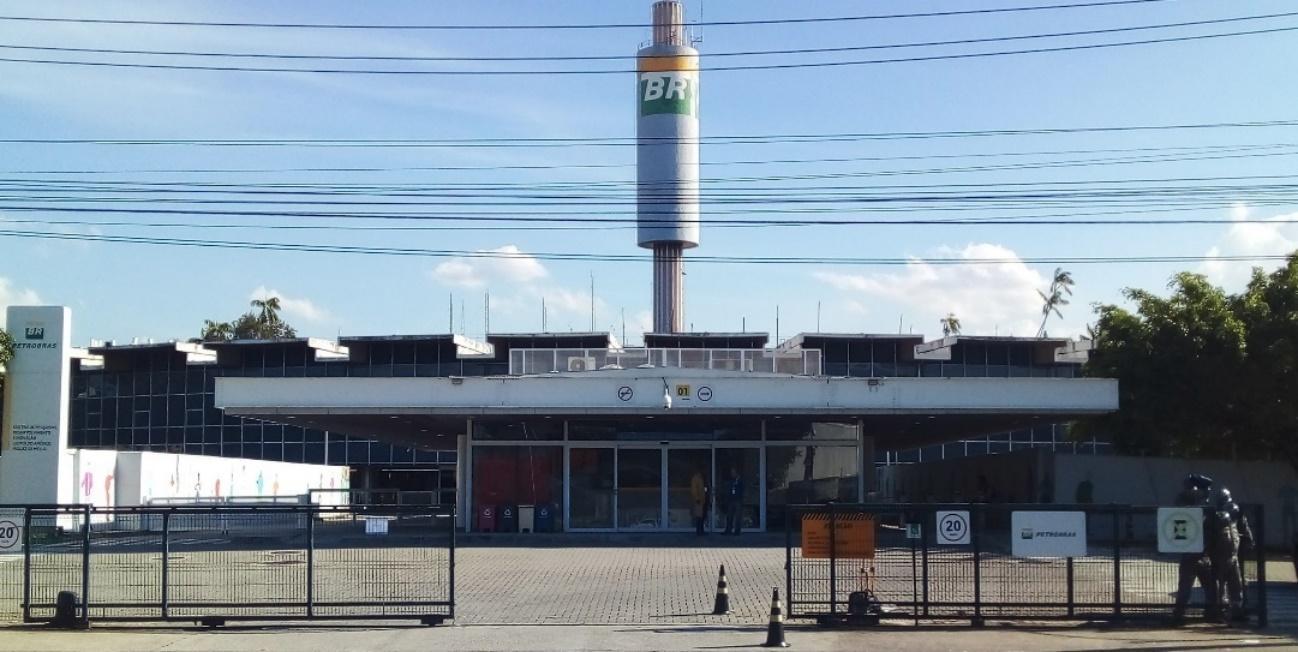
Figure 5: Entrance to CENPES in 2025
Source: Personal Collection
The facilities were designed by the architect Sérgio Bernardes (Jornal do Brasil, 1970) and the works began in December 1970 and were completed in 1973, without much fanfare at its inauguration. Thus, the installation of CENPES on Fundão Island was a much less publicized episode than the argonauta reactor, having been the almost exclusive result of internal institutional deliberations by Petrobras after the agreement proposal coming from UFRJ.
However, even before the completion of the CENPES works, a more ambitious project for Fundão Island was being designed by the Ministry of Mines and Energy (MME). In 1972, the plan is announced, with the official endorsement of President Médici, for the construction of a complex of research centers for the five companies linked to the ministry). Taking advantage of the fact that the technological centers of CNEN and Petrobras, two of the companies associated with the MME, were already installed on the island, the centers of Companhia Vale do Rio Doce, Eletrobras, and Companhia de Pesquisas em Recursos Minerais would then also be implemented (Figure 6). According to Minister Dias Leite, responsible for choosing the location of these centers, the locational alternative that had been considered was in the coastal lowland of Jacarepaguá, but three factors weighed in favor of choosing Fundão Island:
In principle, it should be remembered that the Ministry of Mines has two facilities on the University Island. One, in operation, which is the Institute of Nuclear Energy, and another, nearing completion, which is the CENPES - Petrobras Research Center. The island offers, therefore, the advantage of requiring the construction of only three centers: that of Eletrobras, that of Companhia Vale do Rio Doce, and that of Companhia de Pesquisa em Recursos Minerais. The lowland would require new CNEN facilities and the reconstruction of CENPES. Secondly, the problem of acquiring the area which, in the lowland, would demand expropriation with the expenditure of resources, whereas, on the island, there would be available area next to the technological sector itself, which could be collected by the interested companies. Thirdly, the problem of the time necessary to begin the operation of the technological centers in question must be considered. With the existing infrastructure and that under execution on the Island, we have no doubt in stating that we will be able to have all five centers in operation by the end of 1973. Given these reasons, we consider that the advantages of locating on the Island outweigh those of the lowland, which are, in fact, limited to a greater breadth of area and the independence of research work in relation to the problems typical of Universities, where the interest for the student body predominates, as it should predominate. (Tribuna da Imprensa, 1972, p. 7, our emphasis).
As clarified above by the minister, the presence of the IEN and the CENPES was one of the factors for the choice, along with issues such as the exemption from the need to acquire land by the Union, without expropriations and indemnities, factors that would be unavoidable in an eventual installation in Jacarepaguá. Another problem cited was the short time in which these centers were expected to be functioning, since the existence of consolidated infrastructure on the island would shorten this wait.
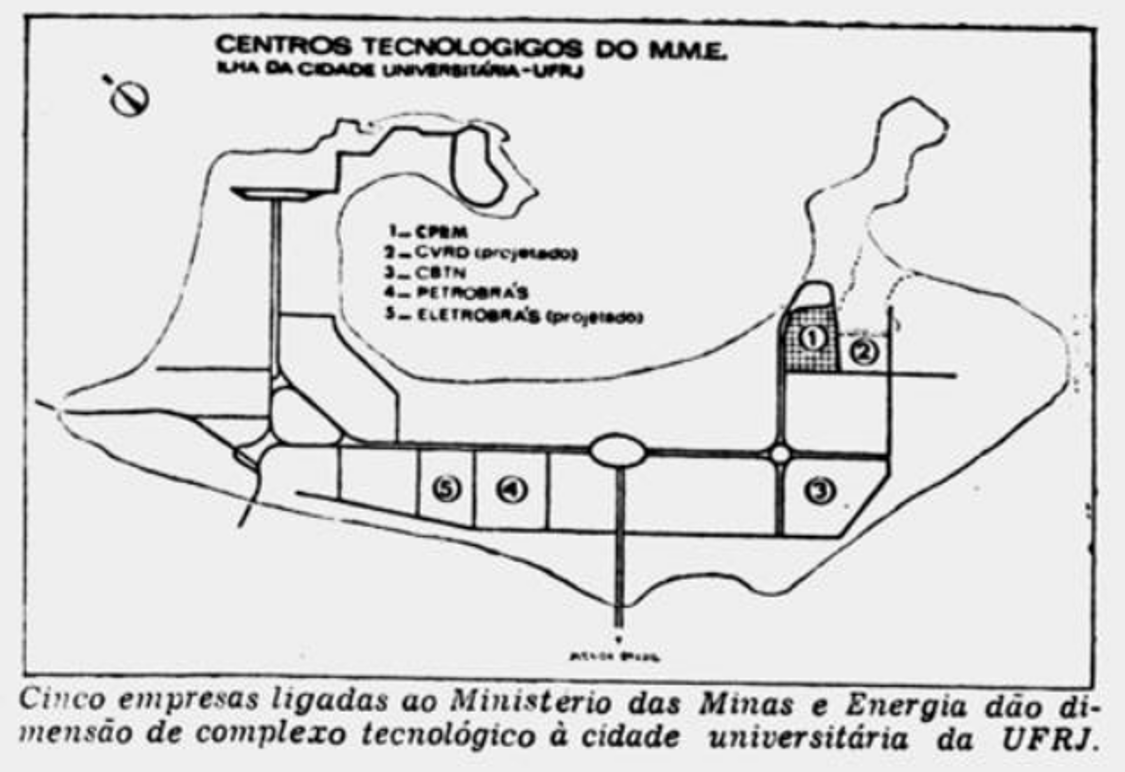
Figure 6: Location of the MME centers on Fundão Island
Source: Jornal do Brasil (RJ) 31.10.1973 p. 25
After this announcement of the plans for an MME technological complex on Fundão Island, projects then began for the implementation of the Electrical Energy Research Center (CEPEL), research center of Eletrobras, and of the Mineral Technology Center (CETEM), Center of the Companhia de Pesquisa de Recursos Minerais (CPRM). Both centers were carried out in a similar way, during the same period and with foreign consulting. In the case of CEPEL, the project consisted of building the Electrical Systems Laboratory on Fundão Island (Figure 7) and implementing another electrical equipment laboratory in Adrianópolis, in the municipality of Nova Iguaçu (Eletrobras, 1974). The work was in charge of Furnas Centrais Elétricas S.A. with consulting from a Canadian research institute, the Institut de Recherche de l'Hydro Québec. The CETEM (Figure 8), on the other hand, was carried out by Montreal Engenharia S.A. with consulting from the American institute Hazen Research Incorporated (CPRM, 1973). Both centers began operations in 1979.
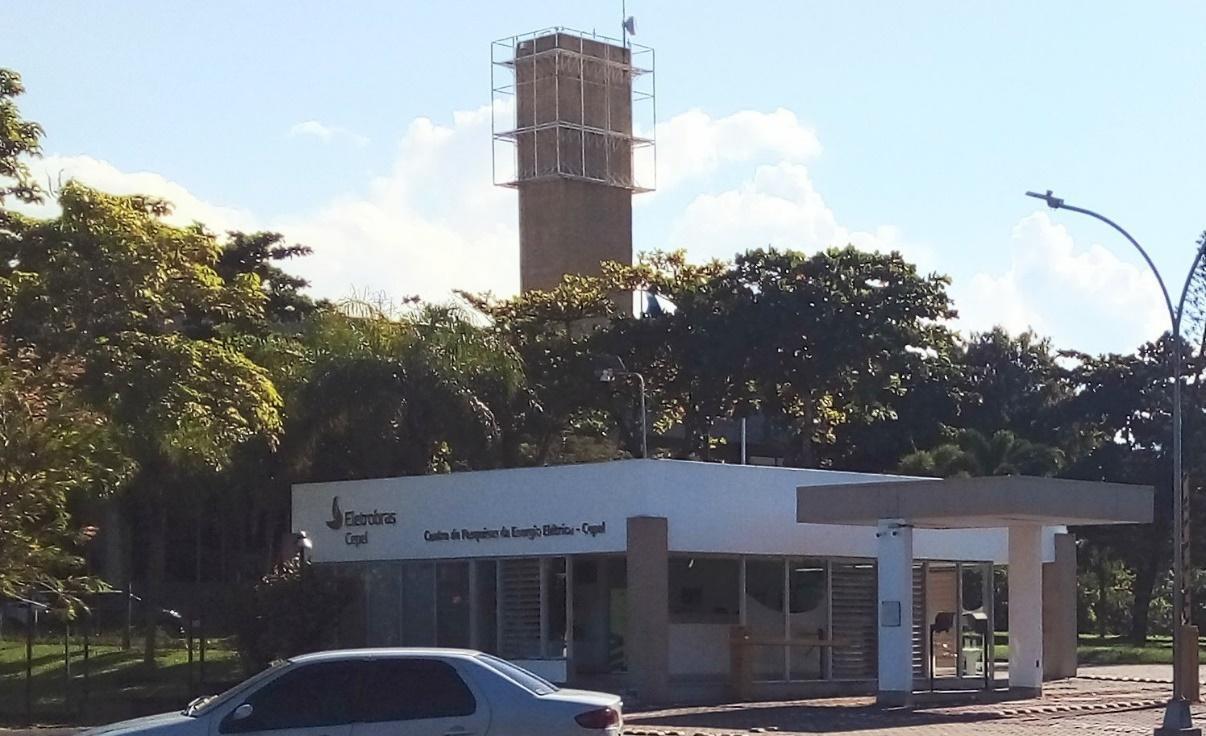
Figure 7: CEPEL in 2025
Source: Personal Collection
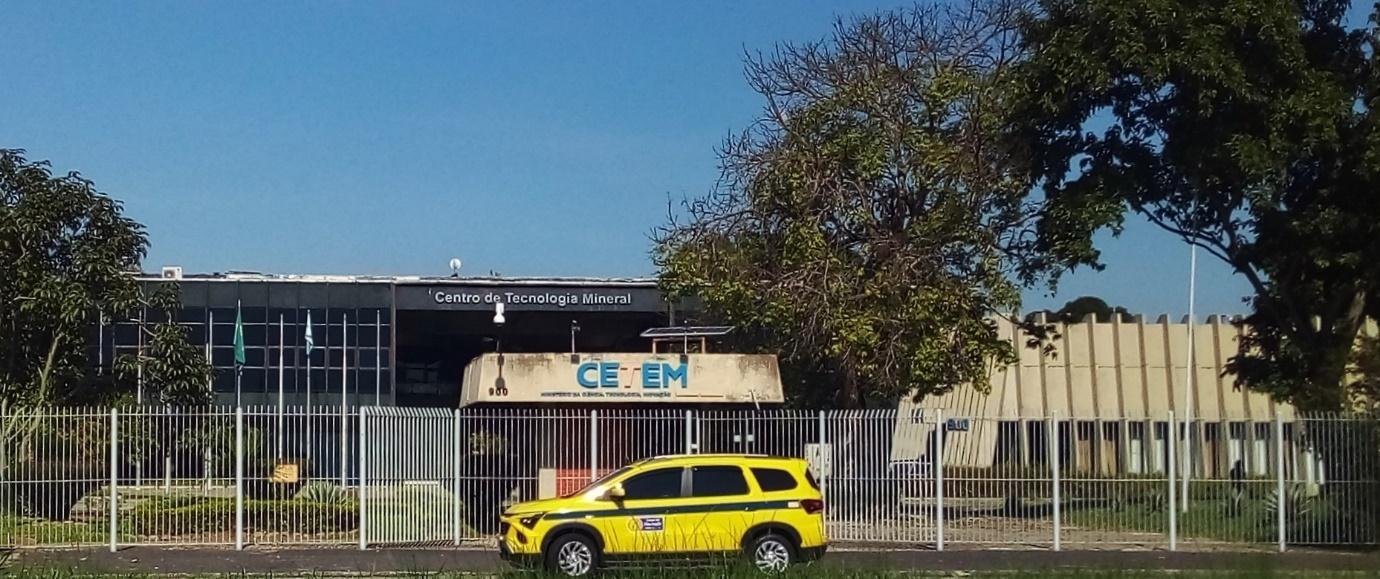
Figure 8: CETEM in 2025
Source: Acervi Pessoal
In contrast to the execution of the Argonauta reactor and the IEN, the centers that were subsequently installed had more ambitious intentionalities for the technical-scientific development of Fundão Island. It was the first moment in which the intention to create a technological development complex linked to a specific sector was expressed, and no longer the construction of disjointed units. In harmony with the military regime's policies for the technological development of natural resources, the three centers responded to the technical urgencies for the exploration of national resources, each in its context. The expansion of the national energy capacity, the incentive for the nationalization of technical knowledge on oil exploration, and the technical-scientific support for mining projects, especially in the north of the country, demanded an infrastructure of research centers propelled by the urgency of developmentalist aspirations.
It is important to highlight that the initial plan of the Ministry of Mines and Energy was not fully realized, since the research center of the Companhia Vale do Rio Doce (CVRD) was never executed. However, the location stipulated for the CVRD center (Figure 6), next to the CETEM, in the 2000s, became the technological center of Embratel and, later, of Claro, already under the logic of the construction of the UFRJ Technology Park.
We also add that this moment of inception of the Eletrobras and CPRM research centers is the first moment in the process that the location of Fundão Island is seen as ideal for the installation of technology centers due to the pre-existing infrastructure. However, in a later interview, Minister Dias Leite declared that the main reason for having chosen Fundão Island to house the MME technological complex was due to his own trajectory as an engineering professor at the institution (Medeiros, 2021). Thus, even though technical explanations were given, the installation came from the subjectivity of the agency of an individual linked to the university and who occupied an important public office that made the realization of this complex possible.
5 Conclusion
The research showed how the idle spaces of Fundão Island were ceded through agreements that mobilized agents and institutions belonging to the federal government. Included in this interplay of intentionality are: the facilitation of the real estate logistics of installing in a federal area that at the time was sparsely occupied; the interactions between graduates and professors of the University with the institutional agents responsible for defining the location of the centers; the proximity of a qualified student body, especially in the areas of engineering and geology. More specifically, we highlight the pioneering spirit of the Institute of Nuclear Engineering and the publicity brought by the Argonauta Reactor as a factor that triggered this vocation of the Island to house the research centers of the Ministry of Mines and Energy. Although the presence of the university appeared briefly in the intentionalities verbalized by the agents, it was to a small degree, especially at the beginning of the process when the university was not yet in full operation, with the construction of the teaching centers still underway.
The national political context also played a preponderant role in the way the technical-scientific activity was materialized on the island. While the beginning of the reactor project was in the democratic period, all the other centers were inaugurated during the military regime, in which developmentalist interests supported the choice of which research centers were installed. The issue of mineral resource exploration, of Brazil's new position in the oil market after the 1973 crisis, and of the federal government's bet on nuclear energy that later materialized in the Angra dos Reis power plants, all passed through the companies affiliated with the Ministry of Mines and Energy that installed themselves on Fundão Island.
Finally, it is worth highlighting brief considerations about the notion of inception proposed by Milton Santos and applied in this research to the case of the state research centers on Fundão Island. This concept was originally conceived in a context of changes in the geographical environment, where technique, science, and information appear increasingly intrinsic to geographical objects and the choice of their location. This perspective allowed analyzing the geographical phenomena linked to innovation, making explicit the intentionalities to which geographical objects are subjected in this technological period. Thus, we understand that the recovery and operationalization of this concept, especially in studies on innovation, can enrich analyses by clarifying the intentionalities that define the existence, or not, of certain geographical objects.
The analysis of the results made it possible to elucidate the practical application of the concepts of inception and technopole in the context of Fundão Island. As for the inception, the results demonstrate that the installation of the research centers was not a neutral or isolated event, but a process mediated by multiple clear intentionalities of development and the search for technological autonomy. The choice of location, particularly in the decision for the MME complex, revealed how the pre-existing infrastructure and the agency of strategic actors were decisive for the composition of the space. Thus, the inception is confirmed as the spatial materialization of an intentionality of power. Regarding the technopole, the study does not indicate the existence of a consolidated technopole in the classical models regarding proximity to industry, as described in Castells and Hall (1994), but rather the process of technopolization, marked by the gradual emergence of elements such as cutting-edge research and articulation between the State and the university. Therefore, the study of the period between 1958 and 1979 informed us of the construction of the initial bases that make up an arrangement of innovation centers, validating the importance of diachrony to understand the genesis of these geographical objects.
References
A NOITE. Pronto o primeiro reator brasileiro. A Noite, Rio de Janeiro, p. 7, 23 jan. 1961.
CASTELLS, Manuel; HALL, Peter. Technopoles of the world: the making of 21st century industrial complexes. [S. l.]: Routledge, 1994.
CORRÊA, Roberto Lobato. Espaço: um conceito-chave na Geografia. In: CASTRO, Iná Elias de; GOMES, Paulo Cesar da Costa; CORRÊA, Roberto Lobato (org.). Geografia: conceitos e temas. Rio de Janeiro: Bertrand Brasil, 1995.
CORREIO DA MANHÃ. Energia nuclear é mostrada pelo MEC. Correio da Manhã, Rio de Janeiro, p. 7, 21 ago. 1963a.
CORREIO DA MANHÃ. Reator Argonauta vai funcionar. Correio da Manhã, Rio de Janeiro, p. 2, 4 set. 1963b.
ELETROBRAS. Relatório Anual de Atividades. Brasília, DF: Eletrobras, 1974.
JORNAL DO BRASIL. Castelo acionará Argonauta afirmando que é mais uma etapa desenvolvimentista. Jornal do Brasil, Rio de Janeiro, p. 6, 7 maio 1965.
JORNAL DO BRASIL. Petrobrás examina projetos do centro de pesquisa a ser construído no Fundão. Jornal do Brasil, Rio de Janeiro, p. 14, 16 fev. 1970.
MEDEIROS, Fernanda Ladeira. Nasceu a Ciência & Tecnologia na Ilha do Fundão: é pública ou privada? A trajetória dos institutos e centros de pesquisa sediados no campus da UFRJ na década de 1970. [S. l.]: Editora Appris, 2021.
MENEZES, P. M. L. et al. Evolução histórica-geográfica-cartográfica da Ilha do Fundão. In: ENCONTRO DE GEÓGRAFOS DA AMÉRICA LATINA, 10., 2005, São Paulo. Anais [...]. São Paulo: USP, 2005.
O JORNAL. Novos reatores atômicos para o Brasil. O Jornal, Rio de Janeiro, p. 1, 10 jul. 1958.
O JORNAL. “Argonauta”, reator fabricado no Brasil, submetido a testes. O Jornal, Rio de Janeiro, p. 28, 6 jul. 1963.
PETRÓLEO BRASILEIRO S.A. (PETROBRÁS). Petrobrás 50 anos: uma construção da inteligência brasileira. Rio de Janeiro: Petrobrás, 2003.
SANTOS, Milton. Espaço e método. São Paulo: Hucitec, 1985.
SANTOS, Milton. Técnica, espaço e tempo: globalização e meio técnico-científico informacional. São Paulo: Hucitec, 1994.
SANTOS, Milton. A natureza do espaço: técnica e tempo, razão e emoção. São Paulo: Hucitec, 1996.
TRIBUNA DA IMPRENSA. Petrobrás construirá centro de pesquisa na cidade universitária. Tribuna da Imprensa, Rio de Janeiro, p. 8, 6 mar. 1968.
TRIBUNA DA IMPRENSA. Ilha do Fundão terá Centros de expansão tecnológica. Tribuna da Imprensa, Rio de Janeiro, p. 7, 15 abr. 1972.
ÚLTIMA HORA. Castelo inaugurou reator. Última Hora, Rio de Janeiro, p. 3, 8 maio 1965.
About the Authors
Vinícius Burle Ferreira Araujo Cruz holds a bachelor's and master's degree in Geography from the Federal University of Rio de Janeiro (UFRJ). He is currently pursuing a doctorate in geography at the same institution.
Ana Brasil Machado holds a doctorate in geography from the Federal University of Rio de Janeiro (UFRJ) and is an adjunct professor in the Department of Geography of the Federal University of Rio de Janeiro (UFRJ).
Author Contributions
Conceptualization, [V.B.F.A.C., A.B.M]; methodology, [V.B.F.A.C.]; formal analysis, [V.B.F.A.C.]; investigation, [V.B.F.A.C.]; data curation, [V.B.F.A.C.]; writing—original draft preparation, [V.B.F.A.C, A.B.M.]; writing—review and editing [V.B.F.A.C, A.B.M.]; supervision, [A.B.M.]; All authors have read and agreed to the published version of the manuscript.
Acknowledgments
The authors acknowledge the contributions of the suggestions from professors Cláudio Antônio Egler, Gisela Aquino Pires do Rio, Marcos Paulo Ferreira de Góis and Leticia Parente Ribeiro during the course of the research that produced this article.
Conflicts of Interest
The author declares no conflict of interest.
About Coleção Estudos Cariocas
Coleção Estudos Cariocas (ISSN 1984-7203) is a publication dedicated to studies and research on the Municipality of Rio de Janeiro, affiliated with the Pereira Passos Institute (IPP) of the Rio de Janeiro City Hall.
Its objective is to disseminate technical and scientific production on topics related to the city of Rio de Janeiro, as well as its metropolitan connections and its role in regional, national, and international contexts. The collection is open to all researchers (whether municipal employees or not) and covers a wide range of fields — provided they partially or fully address the spatial scope of the city of Rio de Janeiro.
Articles must also align with the Institute’s objectives, which are:
- to promote and coordinate public intervention in the city’s urban space;
- to provide and integrate the activities of the city’s geographic, cartographic, monographic, and statistical information systems;
- to support the establishment of basic guidelines for the city’s socioeconomic development.
Special emphasis will be given to the articulation of the articles with the city's economic development proposal. Thus, it is expected that the multidisciplinary articles submitted to the journal will address the urban development needs of Rio de Janeiro.